Hungarian Government Allocates Additional 821 Million Forints for Dunaújváros Steelworks Environmental Protection
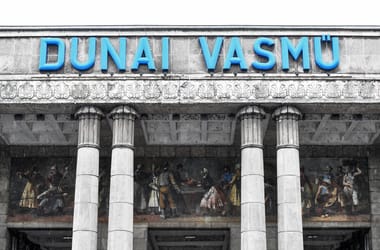
The Hungarian government has announced a new allocation of 821 million forints (approximately $2.2 million USD) to prevent environmental damage at the Dunaújváros steelworks, formerly known as Dunaferr. This funding is intended to address immediate industrial safety risks and mitigate potential environmental hazards associated with the facility. The government has declared the prevention of industrial safety dangers as a matter of public interest. This latest financial injection follows previous efforts to secure the site and prevent its collapse, which could have severe environmental consequences. The steelworks has been facing significant financial difficulties and operational challenges for some time, leading to concerns about its long-term stability and the safety of its infrastructure. The allocation aims to ensure that critical environmental protection measures are implemented promptly to safeguard the surrounding area and its inhabitants. Further details on the specific projects to be funded by this allocation are expected to be released by the relevant ministries.
The Hungarian government's continued financial support for the Dunaújváros steelworks highlights the complex interplay between industrial preservation, environmental stewardship, and public interest. By framing environmental protection as a public interest, the state signals its commitment to mitigating risks associated with aging industrial infrastructure. This approach acknowledges the potential for significant environmental externalities if such facilities are not adequately maintained. The recurring need for substantial funding suggests underlying systemic issues within the steelworks' operational and financial structure, potentially requiring a long-term strategy beyond immediate risk mitigation. Future considerations may involve exploring sustainable industrial models or phased decommissioning to balance economic realities with environmental imperatives.
AI-generated to prompt reflection — not editorial opinion, not advice, not a statement of fact. How this works.