Hungarian Government Halts Orbán's TV Broadcast, Cites Viewer Deception
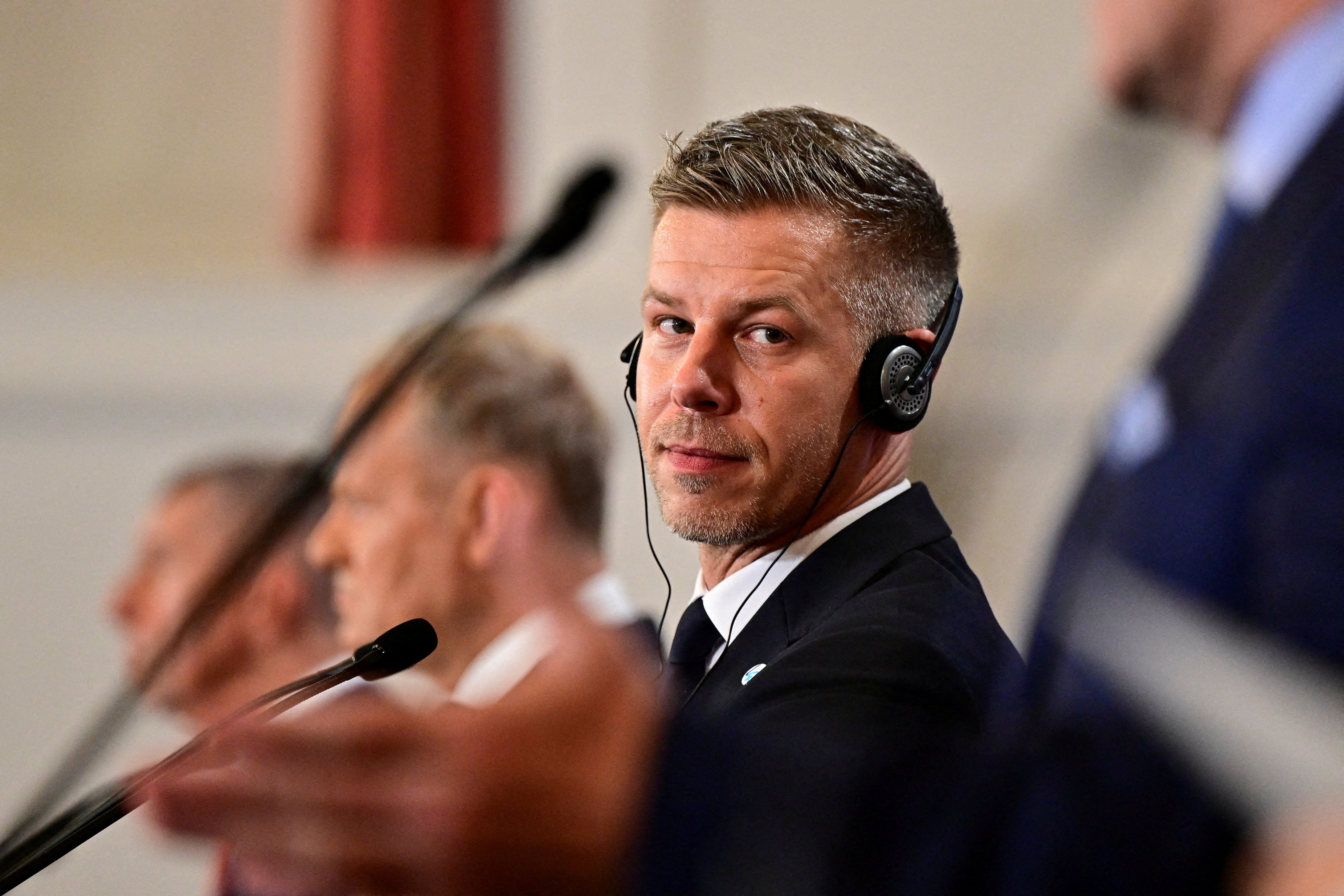
The Hungarian government has abruptly terminated the broadcast of a television channel associated with Prime Minister Viktor Orbán's administration. This decision follows accusations that the station misled its viewers. The government has initiated a comprehensive overhaul of media outlets that were previously utilized as propaganda tools. This move signals a significant shift in the country's media landscape and its relationship with state-aligned broadcasting. The full extent of the media renovation is yet to be detailed, but it is expected to impact multiple outlets. The government stated that the cessation of broadcasts was necessary to address the deception of the audience and to begin a process of reform. Further information regarding the future of these media assets and the specifics of the renovation is anticipated.
The Hungarian government's decision to halt broadcasts and reform state-aligned media signals a potential recalibration of information dissemination. This action may reflect an attempt to address criticisms regarding the use of media for political messaging and to align with evolving public expectations for journalistic integrity. Such reforms, while potentially improving transparency, also present challenges in navigating the complex interplay between state interests and independent media. The long-term implications will depend on the specific governance structures implemented and the degree to which diverse perspectives are accommodated, particularly in the context of increasing digital information flows and the evolving media consumption habits of citizens over the next decade.
AI-generated to prompt reflection — not editorial opinion, not advice, not a statement of fact. How this works.