Hungarian housing market hits affordability ceiling, price hikes stall
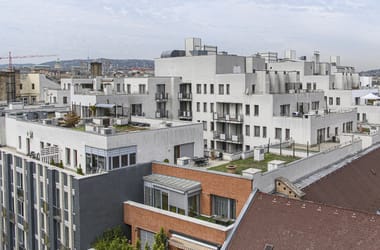
The Hungarian real estate market has reached its affordability limit, leading to a slowdown in price increases. This situation has resulted in fewer buyers actively participating in the market. Consequently, the time it takes to sell an apartment has significantly increased compared to previous periods. The current market conditions suggest a shift from a seller's market to a more balanced or buyer-favorable environment. This change is likely to impact developers' strategies and potentially lead to adjustments in construction plans. The extended selling times indicate that sellers may need to recalibrate their price expectations to attract buyers. The overall economic climate and interest rate policies are also crucial factors influencing this market dynamic. Further price growth is unlikely in the short term without a significant change in economic conditions or purchasing power.
The Hungarian housing market's current state, characterized by stalled price growth due to affordability constraints, reflects a common pattern in real estate cycles where rapid appreciation eventually meets consumer purchasing power limits. This suggests a need for market participants, including developers and sellers, to adapt to a potentially longer sales cycle and more price-sensitive buyer pool. Future market trajectory will likely depend on broader economic factors such as inflation, interest rates, and wage growth, alongside government housing policies. The prolonged period of price increases may have created an unsustainable bubble, and the current slowdown could be a necessary correction to restore equilibrium.
AI-generated to prompt reflection — not editorial opinion, not advice, not a statement of fact. How this works.