Hungarian National Gallery's Planned Move to Stock Exchange Palace Stalled
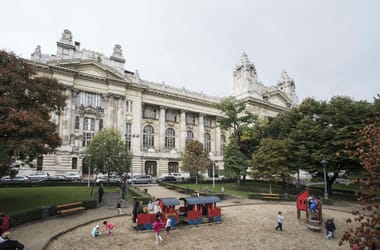
Plans for the Hungarian National Gallery to relocate to the historic Stock Exchange Palace in Budapest have encountered significant obstacles, despite the existence of detailed architectural designs. Italian architect Piero Lissoni, who has previously collaborated with István Tiborcz, shared the visualization plans for the ambitious project. The move was intended to transform the Stock Exchange Palace into a prestigious cultural institution, housing the nation's significant art collection. However, the luxury project, which was envisioned to revitalize a prominent landmark, has reportedly stalled. The specific reasons for the delay or the current status of the project were not detailed in the initial report, leaving the future of the gallery's relocation uncertain. The involvement of a renowned international architect like Lissoni underscored the high expectations for this cultural undertaking. The project's stagnation raises questions about funding, logistical challenges, or potential shifts in strategic priorities for the cultural sector in Hungary.
The reported stalling of the Hungarian National Gallery's relocation to the Stock Exchange Palace, despite advanced design plans by architect Piero Lissoni, highlights potential systemic issues in large-scale public-private cultural projects. The involvement of István Tiborcz, a figure with known business ties, suggests a complex interplay of commercial and cultural interests that may be subject to market dynamics, funding availability, and governance oversight. The project's delay could reflect challenges in aligning ambitious luxury development with the practicalities of cultural institution management and public funding, particularly in the context of evolving economic conditions or shifting political priorities over the next decade. Such projects often face scrutiny regarding resource allocation and long-term viability, necessitating robust frameworks to ensure transparency and public benefit.
AI-generated to prompt reflection — not editorial opinion, not advice, not a statement of fact. How this works.