Hungarian PM Peter Magyar Proposes Lowering Voting Age to 16
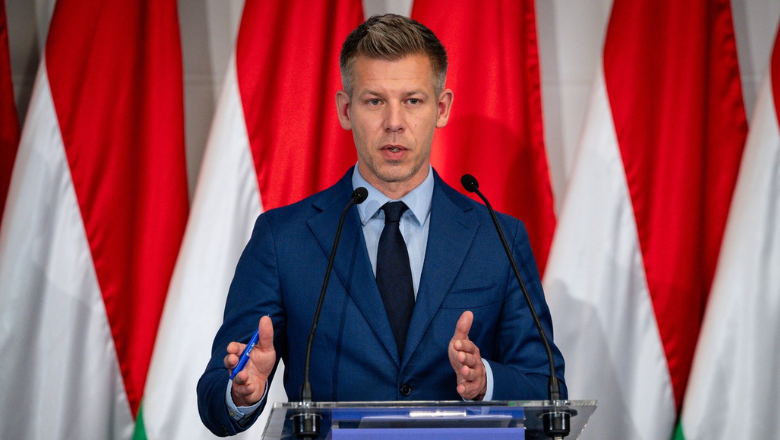
Hungary is contemplating a reduction in the voting age as part of an upcoming constitutional reform process. Prime Minister Peter Magyar expressed his belief that individuals under 18 are sufficiently informed to participate in the country's governance. He has indicated his personal support for legislation to implement this change. Magyar's proposal suggests that the youth possess the necessary understanding to contribute to national decision-making. This potential reform aims to increase youth engagement in the political landscape of Hungary. The Prime Minister's stance underscores a belief in the preparedness of younger generations to exercise their democratic rights. Further details on the proposed constitutional changes are expected to emerge as the reform process progresses. The government will likely present a bill to Parliament to enact this measure if it moves forward.
The proposal to lower Hungary's voting age to 16 reflects a potential shift in political engagement strategies, aiming to incorporate a younger demographic into the electoral process. This move could be interpreted as an effort to broaden the base of political participation and potentially influence future electoral outcomes by engaging citizens earlier. From a governance perspective, it raises questions about the preparedness of younger voters to make informed decisions on complex policy issues and the potential impact on political discourse. The long-term implications for civic education and the political socialization of youth will be significant, as the success of such a reform hinges on the capacity of the education system to equip students with the necessary critical thinking skills for democratic participation.
AI-generated to prompt reflection — not editorial opinion, not advice, not a statement of fact. How this works.