Hungarian PM Praises Mercedes-Benz Plant as Symbol of Partnership
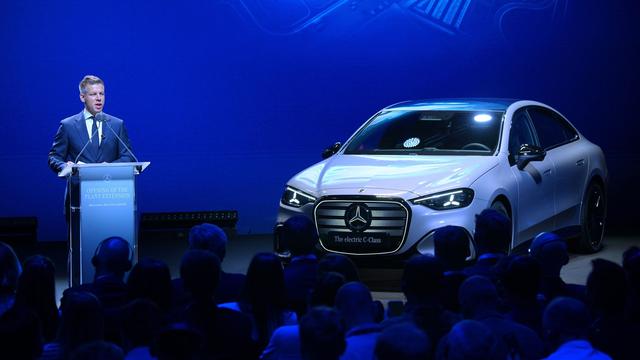
Hungarian Prime Minister Viktor Orbán lauded the Mercedes-Benz manufacturing plant in Kecskemét, Hungary, calling it a symbol of strong partnership between Hungary and Germany. He emphasized that the plant represents the success of Hungarian economic policy and its ability to attract significant foreign investment. Orbán highlighted the long-standing cooperation with Mercedes-Benz, a company he described as a key partner for Hungary's automotive sector. The Prime Minister stated that the presence of such a major international automotive manufacturer underscores Hungary's position as a competitive location for industrial production. He further elaborated that the ongoing investments by Mercedes-Benz demonstrate confidence in Hungary's workforce and its business environment. The praise came during an event that underscored the positive economic relationship between the two nations, with the automotive industry playing a crucial role. Orbán reiterated his government's commitment to supporting the automotive sector and fostering an environment conducive to further growth and innovation.
The Hungarian Prime Minister's commendation of the Mercedes-Benz plant highlights the strategic importance of foreign direct investment, particularly from established European economies like Germany, for Hungary's industrial development. This symbiotic relationship, where foreign capital and expertise integrate with local labor and infrastructure, has been a cornerstone of Hungary's economic strategy. The framing of the plant as a 'symbol of partnership' suggests a deliberate effort to reinforce bilateral ties and project an image of stability and attractiveness for further investment. From a systems perspective, such partnerships are critical for navigating the complexities of global supply chains and technological advancements in the automotive sector, especially as the industry pivots towards electrification and digitalization. The long-term sustainability of this model will depend on Hungary's ability to maintain competitive advantages in labor costs, regulatory frameworks, and skilled workforce development, while also adapting to evolving international trade dynamics and geopolitical considerations.
AI-generated to prompt reflection — not editorial opinion, not advice, not a statement of fact. How this works.