Hungarian politician Peter Magyar calls for Fidesz to abandon opposition and resist
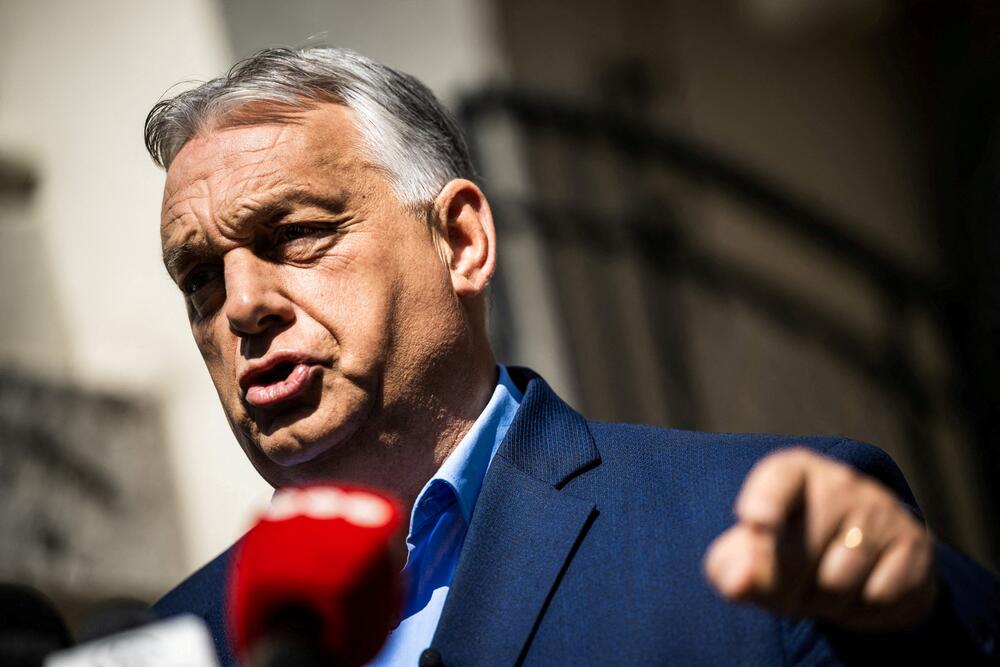
Hungarian Prime Minister Peter Magyar has stated that the Fidesz party must abandon its opposition stance and instead engage in resistance. He described the current political landscape as pointless when dealing with "a relentless, disgraced mafia boss." Magyar's remarks suggest a significant shift in strategy for Fidesz, moving away from passive opposition towards a more active form of resistance. The specific targets or nature of this resistance were not detailed in the provided statement. However, the strong language used indicates a high level of political tension and a call for decisive action. Magyar's comments imply a desire to confront or challenge a particular entity or individual he perceives as corrupt or obstructive. This call to action could signal a new phase in Hungarian domestic politics.
Prime Minister Peter Magyar's call for Fidesz to shift from opposition to resistance suggests a strategic re-evaluation of the party's political engagement. This pivot may be driven by a perceived need to address systemic issues or specific actors he characterizes as detrimental to the political process. The framing of a political opponent as a "disgraced mafia boss" highlights a tactic of delegitimization, aiming to mobilize support by casting the opposition in a highly negative light. Such rhetoric, while potentially galvanizing for a base, risks escalating political polarization and may overshadow substantive policy debates. The long-term implications could involve a more confrontational political environment, potentially impacting institutional stability and the quality of democratic discourse over the next decade.
AI-generated to prompt reflection — not editorial opinion, not advice, not a statement of fact. How this works.