Hungarian Politics and Global Affairs: A Commentary on Domestic and International Issues
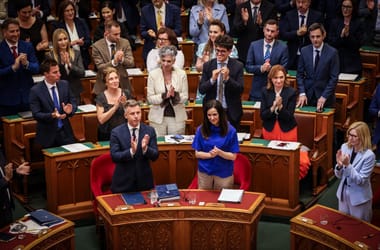
A commentary from The American Spectator suggests that if Péter Magyar's reform efforts in Hungary devolve into purges, they risk mirroring Viktor Orbán's approach. The piece also touches upon Hungary's potential exclusion from the Erasmus+ program. On the international front, the article highlights the precarious situation between the USA and Iran in the Strait of Hormuz. It criticizes US Secretary of State Marco Rubio's perceived hypocrisy while deeming him preferable to a nihilistic Donald Trump. Furthermore, Europe's continued struggle to shed its dependence on Russian energy is noted. The commentary also observes that the French judiciary may be unable to stop the rise of the National Rally (Le Pen), but the democratic center in France still holds potential to intervene. These are presented as topics and opinions from the global press.
This commentary navigates a complex landscape of Hungarian domestic politics and broader international relations. The comparison between Péter Magyar's potential actions and Viktor Orbán's governance raises questions about the nature of political reform and the risk of authoritarian tendencies emerging even within movements aiming for change. The discussion of Hungary's Erasmus+ status points to the ongoing tensions between national sovereignty and European Union integration, and how domestic political choices can have tangible consequences on international cooperation. Globally, the piece touches on geopolitical flashpoints like US-Iran relations in the Strait of Hormuz, underscoring the persistent fragility of international security. The critique of US political figures and Europe's energy dependency highlights systemic vulnerabilities. The commentary on France's political dynamics illustrates the enduring challenge of democratic institutions to counter populist movements. The overarching theme suggests a world grappling with internal political challenges and external geopolitical pressures, where the outcomes remain uncertain and dependent on the choices made by various actors.
AI-generated to prompt reflection — not editorial opinion, not advice, not a statement of fact. How this works.