Hungarian President Signs Constitutional Changes Removing His Own Office
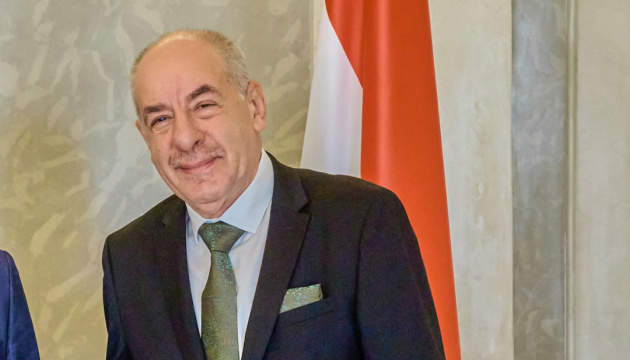
Hungarian President Tamás Sulyok has signed constitutional amendments recently passed by the country's parliament. These changes specifically provide for the removal of the president from their office. The legislation was approved by the Hungarian National Assembly, paving the way for the president's potential dismissal. This development marks a significant shift in the constitutional framework governing the presidency in Hungary. The exact circumstances and timeline for such a removal are detailed within the new amendments. President Sulyok's action signifies his acceptance of these parliamentary decisions. The implications of this constitutional revision are expected to reshape the balance of power within the Hungarian government. Further details on the process and triggers for presidential removal are outlined in the amended constitution.
The Hungarian parliament's enactment of constitutional amendments to remove the presidential office introduces a notable shift in the nation's governance structure. This move could be interpreted through the lens of evolving political dynamics and the potential for recalibrating checks and balances within the state. Analyzing the incentive structures driving such a significant constitutional revision is key to understanding its long-term impact on political stability and democratic institutions. The decision invites contemplation on the future trajectory of presidential powers and accountability in Hungary, particularly in the context of broader European political trends over the next decade.
AI-generated to prompt reflection — not editorial opinion, not advice, not a statement of fact. How this works.