Hungarian Researchers Develop Method to Convert Plastic Waste into Hydrogen Fuel
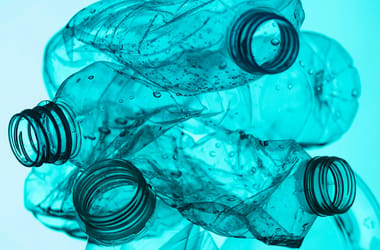
A decade-old problem may be solved with a new method developed by Korean researchers that can turn a significant amount of plastic waste into fuel. Specifically, the process can convert PET bottles into hydrogen. A key advantage of this method is that it produces virtually no harmful emissions into the atmosphere. This innovation offers a dual benefit, addressing both plastic pollution and the need for cleaner energy sources. The researchers have devised a technique that effectively tackles these environmental challenges. The development promises a more sustainable approach to waste management and energy production. This breakthrough could significantly impact how we deal with plastic waste in the future. By transforming a common pollutant into a valuable resource, the method presents a promising solution.
This development presents a potential technological pathway to mitigate plastic waste accumulation while simultaneously generating a clean energy carrier. The core innovation lies in the catalytic conversion of PET plastic, a ubiquitous material, into hydrogen gas with minimal atmospheric pollutants. From a systems perspective, this addresses two critical global challenges: waste management and sustainable energy. The economic viability and scalability of this process will be crucial factors in its widespread adoption. Future considerations include the energy input required for the conversion versus the energy output of the hydrogen produced, and the lifecycle assessment of the catalysts used. This approach could reshape waste-to-energy paradigms, offering a valuable tool in the transition towards a circular economy and a decarbonized energy sector.
AI-generated to prompt reflection — not editorial opinion, not advice, not a statement of fact. How this works.