Hungarian Road Safety: Fewer Drunk Drivers, More City Accidents, Driver Fault Dominates
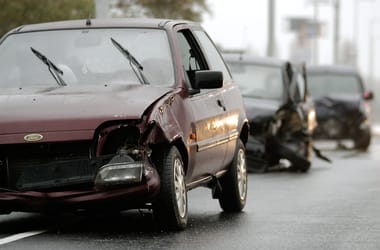
Hungarian road safety statistics are improving annually, yet a significant number of people still die on the roads each year, comparable to the population of a small village. The European Union's ambitious goal of zero road fatalities by 2050 appears distant, especially with the emergence of new challenges. Recent data indicates a decrease in drunk driving incidents. However, a concerning trend shows that two out of every three accidents now occur within urban areas. Furthermore, analysis of accident causes reveals that the driver is almost always at fault. While overall safety measures are progressing, the shift towards more city-based accidents and the consistent driver culpability highlight areas needing targeted intervention.
The data suggests a positive trend in reducing drunk driving, aligning with broader public health campaigns. However, the concentration of accidents in urban areas and the persistent driver error indicate a need to re-evaluate traffic management and driver education strategies within cities. The gap between current progress and the EU's 2050 zero-fatality target underscores the complexity of achieving such ambitious goals, requiring sustained and adaptive policy interventions. Future efforts might benefit from exploring how urbanization, evolving driver behaviors, and emerging technological factors interact to influence road safety outcomes.
AI-generated to prompt reflection — not editorial opinion, not advice, not a statement of fact. How this works.