Hungarian Study Links Teen Skin Conditions to Anxiety from Influencer Culture
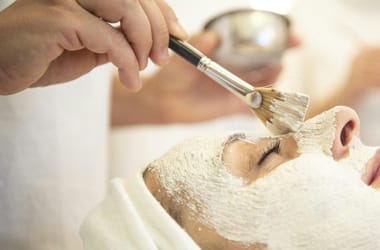
Researchers in Szeged, Hungary, have identified a significant link between adolescent skin diseases and increased anxiety levels stemming from social media influencer culture. The study found that a decline in quality of life due to skin conditions was strongly correlated with lower self-esteem, a more negative body image, and heightened anxiety among teenagers. These findings highlight the psychological toll that visible health issues can take, particularly when exacerbated by the often-idealized portrayals presented by online influencers. The research underscores the need for greater awareness and support for adolescents struggling with both dermatological challenges and the pressures of social media comparison. It suggests that the constant exposure to curated online personas can intensify feelings of inadequacy and worry for young people already dealing with the physical and emotional impact of skin conditions.
This research from Szeged, Hungary, illuminates a critical intersection of public health and digital culture. The study's findings suggest that the prevalence of skin conditions among adolescents, coupled with the pervasive influence of social media personalities, may create a feedback loop of negative self-perception and anxiety. From a systems perspective, the idealized and often unattainable standards presented by influencers can exacerbate existing insecurities, particularly for individuals managing visible health challenges. This dynamic raises questions about platform accountability and the ethical responsibilities of content creators in shaping user mental well-being. Future considerations should explore interventions that promote digital literacy and critical engagement with online content, alongside accessible mental health support tailored to the unique pressures faced by young people in the digital age.
AI-generated to prompt reflection — not editorial opinion, not advice, not a statement of fact. How this works.