Hungary Faces Conflicting Reports on Fuel Reserves Amidst Supply Concerns
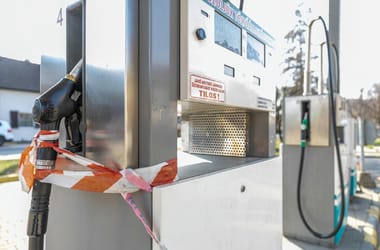
Hungary is experiencing conflicting reports regarding its gasoline reserves, creating uncertainty about the actual availability of fuel. The Association of Independent Petrol Stations claims that István Kapitány is misrepresenting the situation concerning the replenishment of oil stocks. They assert that the country's strategic reserve of gasoline is sufficient for only two weeks. In contrast, the Hungarian Oil Association disputes this assessment, stating that the independent petrol stations are miscalculating. This group believes the overall situation is significantly better than portrayed by the independent stations. Meanwhile, Mol, the national oil company, is urging the public to refrain from panic buying, aiming to stabilize demand and prevent artificial shortages.
The divergence in statements from the Association of Independent Petrol Stations and the Hungarian Oil Association highlights potential information asymmetry and differing operational perspectives within Hungary's fuel supply chain. While the former raises concerns about critically low reserves and alleged misrepresentation by a key figure, the latter suggests a more stable outlook based on their own calculations. Mol's plea against panic buying indicates a concern about demand-side volatility exacerbating any supply-side challenges. Understanding the specific methodologies and data sources used by each entity would be crucial for a clearer assessment of the true state of national fuel security. This situation underscores the importance of transparent data sharing and coordinated communication among stakeholders to maintain public confidence and ensure stable energy supply, particularly in the context of evolving geopolitical and economic pressures.
AI-generated to prompt reflection — not editorial opinion, not advice, not a statement of fact. How this works.