Hungary Faces Unprecedented Energy Crisis Due to Danube Low Water Levels
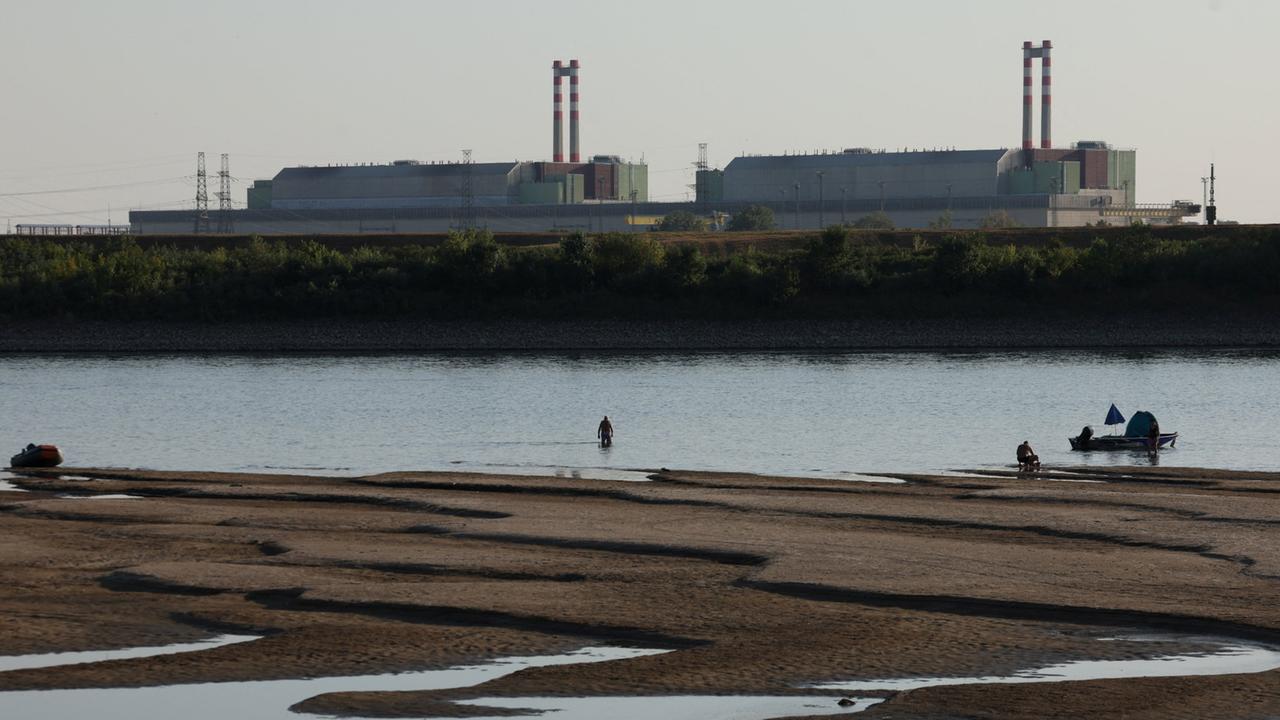
Hungary is experiencing an "unprecedented energy crisis" as nearly half of its electricity supply has been suddenly cut off. The Paks Nuclear Power Plant, a critical source of power, has been forced to shut down due to the ongoing heatwave and critically low water levels in the Danube River. Prime Minister Viktor Orbán has described the situation as a severe crisis. The low water levels are impacting the plant's ability to cool its reactors, necessitating the shutdown. This sudden reduction in power generation poses significant challenges for the nation's energy security and stability. The government is now grappling with the immediate consequences and seeking solutions to mitigate the impact of this unexpected energy shortage.
The shutdown of the Paks Nuclear Power Plant due to low Danube water levels highlights the vulnerability of critical energy infrastructure to climate change impacts. This event underscores the systemic risks associated with over-reliance on single-source power generation, particularly when that source is susceptible to environmental factors. Future energy strategies will likely need to prioritize diversification and resilience, incorporating adaptive measures for climate-related disruptions. The crisis prompts consideration of how to balance energy demands with environmental sustainability and the long-term implications of climate change on national energy security.
AI-generated to prompt reflection — not editorial opinion, not advice, not a statement of fact. How this works.