Hungary Halts Nuclear Plant Due to Record-Low Danube River Levels
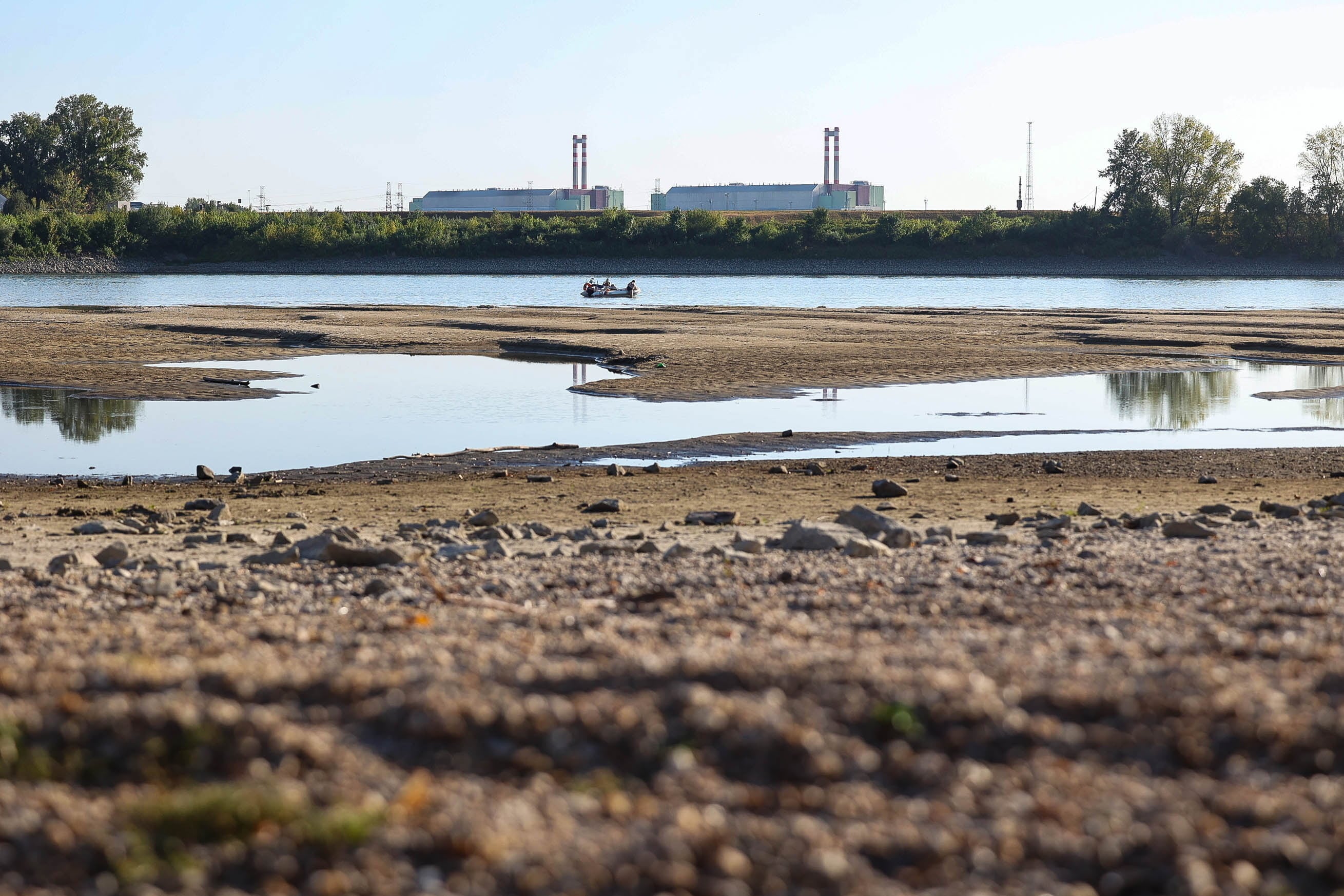
Hungary has temporarily shut down its sole nuclear power plant, Paks, for the first time in its history. The shutdown is attributed to the historic low water levels of the Danube River, which is crucial for cooling the plant's reactors. The Paks plant is a significant contributor to Hungary's energy supply, generating nearly half of the country's electricity. The reduction in the Danube's water flow has made it impossible to provide the necessary cooling capacity for the nuclear reactors to operate safely. This unprecedented event highlights the vulnerability of critical infrastructure to climate change impacts, specifically prolonged droughts affecting major European waterways. The operational status of the plant will likely depend on the river's water levels returning to a sufficient point for safe cooling. The situation underscores the challenges faced by energy providers in regions dependent on river water for industrial and power generation processes.
The temporary shutdown of Hungary's Paks nuclear facility due to low Danube water levels illustrates a critical intersection of energy security and environmental vulnerability. This event underscores the systemic risks posed by climate change to essential infrastructure, particularly in regions reliant on natural water sources for cooling. As the global climate continues to shift, such dependencies may necessitate proactive diversification of energy cooling mechanisms or strategic adjustments in energy production schedules to mitigate risks associated with extreme weather events. The long-term implications could involve increased investment in alternative cooling technologies or a re-evaluation of the geographical siting of future power generation facilities to account for hydrological changes.
AI-generated to prompt reflection — not editorial opinion, not advice, not a statement of fact. How this works.