Hungary Halts Nuclear Plant Operations Due to Extreme Heat; France and Romania Impose Restrictions
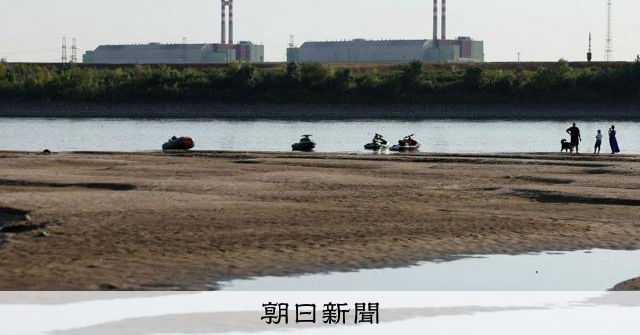
Hungary has completely suspended operations at its sole nuclear power plant due to extreme heat. The Paks Nuclear Power Plant, located approximately 100 kilometers south of Budapest, ceased all operations on Monday, January 15th. This decision was made because the Danube River's water temperature has risen to a level that could potentially harm the plant's cooling systems. The plant's operator stated that the water temperature reached 29.5 degrees Celsius, exceeding the operational limit of 30 degrees Celsius. The plant is expected to resume operations once the river's temperature returns to normal levels. This situation mirrors similar challenges faced by other European nations. France has also implemented restrictions on its nuclear power generation due to high river temperatures, impacting its ability to supply electricity. Similarly, Romania has had to limit the output of its nuclear facilities for the same reasons. The reliance on nuclear power across Europe makes such heat-related disruptions a significant concern for energy stability.
The widespread impact of extreme weather events on critical energy infrastructure, such as nuclear power plants in Hungary, France, and Romania, highlights the vulnerability of existing systems to climate change. These incidents underscore the need for adaptive strategies in energy production and cooling mechanisms. As global temperatures continue to rise, the frequency and intensity of heatwaves may necessitate a re-evaluation of operational thresholds for temperature-sensitive facilities. Diversifying energy sources and investing in more resilient cooling technologies could mitigate future risks and ensure consistent power supply in the face of environmental challenges. The interconnectedness of European energy grids means that disruptions in one region can have cascading effects, emphasizing the importance of coordinated climate adaptation planning across the continent.
AI-generated to prompt reflection — not editorial opinion, not advice, not a statement of fact. How this works.