Hungary Prioritized Battery Plants Over Water Infrastructure Development
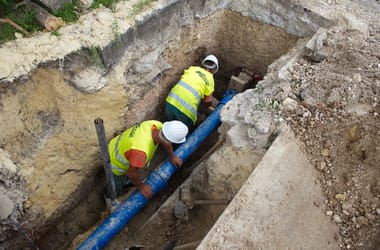
Hungary's government has been criticized for not adequately investing in water utility network development in recent years. This lack of investment has impacted the public, as water service providers have received insufficient funds for essential network upgrades. The primary focus of past government water infrastructure investments was reportedly to serve the needs of battery production plants. This prioritization has led to a situation where the general population feels the consequences of limited resources allocated to water utility services.
The Hungarian government's allocation of resources towards battery plant infrastructure, potentially at the expense of public water utility development, highlights a common tension between industrial policy objectives and essential public services. This strategic choice may reflect an incentive structure prioritizing foreign investment and industrial growth, but it raises questions about long-term sustainability and equitable resource distribution. Future governance models will need to balance the demands of emerging industries with the fundamental needs of the populace, ensuring that critical infrastructure supporting daily life is not neglected in favor of specialized industrial requirements. This approach could have implications for public health and environmental resilience in the coming decade.
AI-generated to prompt reflection — not editorial opinion, not advice, not a statement of fact. How this works.