Hungary Restricts Rail Freight to Save Energy
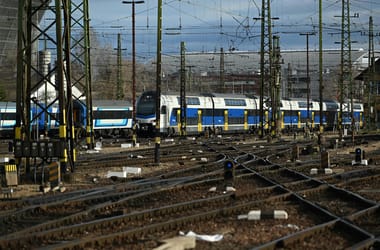
Starting Monday, Hungary will implement restrictions on rail freight transport. The government estimates that this measure will lead to daily savings of 70 to 90 megawatt-hours of electricity. This decision comes as the nation seeks to conserve energy resources. The specific details of the restrictions, including which routes or types of freight will be affected, have not been fully elaborated in the provided information. However, the primary objective is to reduce electricity consumption across the rail network. The government anticipates that these savings will contribute significantly to the country's overall energy management efforts during a period of potential strain. Further information regarding the duration and scope of these limitations is expected.
The Hungarian government's decision to restrict rail freight transport, aiming for daily electricity savings of 70-90 MWh, reflects a pragmatic response to energy conservation imperatives. This policy highlights the interconnectedness of logistics networks and energy consumption, particularly in the context of national energy security. While the immediate goal is energy saving, the long-term implications for supply chains, economic activity, and the competitiveness of Hungarian industries warrant consideration. Policymakers face a trade-off between short-term energy relief and potential disruptions to freight movement, which could impact businesses reliant on timely deliveries. Evaluating the efficiency of this measure against alternative energy-saving strategies and its broader economic impact will be crucial for sustainable energy management.
AI-generated to prompt reflection — not editorial opinion, not advice, not a statement of fact. How this works.