Hungary's Agent Files: Lessons from Eastern Bloc Archives
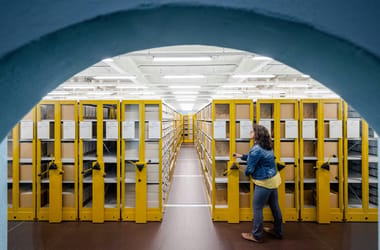
Hungary's current government, led by the Tisza-Kormány, aims to address past shortcomings regarding the public disclosure of communist-era state security files. An examination of how former Eastern Bloc countries handled the release of their secret police archives after regime change reveals a mixed record. These countries often opted for a path that was neither fully transparent nor entirely comprehensive in making their documents public.
The Stasi archives in East Germany and the Securitate files in Romania serve as key examples of these post-communist approaches. The handling of these sensitive historical records varied significantly, impacting public trust and historical reckoning in each nation. The Hungarian government's current initiative seeks to rectify what it perceives as a delay in processing and releasing its own historical security agency documents.
The proposed public disclosure of historical state security files in Hungary presents a complex challenge in balancing historical accountability with potential societal disruption. Drawing lessons from the varied experiences of other Eastern Bloc nations, such as the Stasi and Securitate archives, highlights the difficulties in achieving both comprehensive transparency and public acceptance. The effectiveness of such disclosures hinges on establishing clear archival management protocols, ensuring data integrity, and creating mechanisms for informed public engagement. Navigating this process requires careful consideration of privacy rights, the potential for historical revisionism, and the long-term implications for national reconciliation and democratic governance in the digital age.
AI-generated to prompt reflection — not editorial opinion, not advice, not a statement of fact. How this works.