Hungary's Media Reform: A Necessary Step, Not Authoritarianism
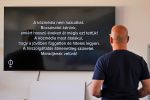
Péter Magyar, Hungary's new Prime Minister, pledged during his election campaign to establish a state media system free from party propaganda funded by taxpayers. He is actively working towards this goal and will be held accountable for its implementation. This reform aims to create a more neutral and objective public broadcasting service, moving away from the current model which has been criticized for its political bias. The success of this initiative will be crucial in shaping public discourse and trust in media within Hungary. Magyar's commitment to this reform signals a significant shift in the country's media landscape. The public will be watching closely to see if the promised changes materialize and if they effectively reduce political influence on state-funded media. This development is a key test of his administration's dedication to democratic principles and transparency.
The proposed media reform in Hungary, spearheaded by Prime Minister Péter Magyar, seeks to disentangle state-funded broadcasting from partisan political messaging. This initiative addresses concerns about the potential for state media to serve as a propaganda tool, a common challenge in many political systems. By aiming for a system free from party influence and funded by taxpayers, the reform attempts to establish a more objective information environment. The success of this endeavor will hinge on the robustness of the implemented governance structures and oversight mechanisms, which must ensure genuine editorial independence. Future scrutiny will likely focus on whether the reform genuinely fosters diverse viewpoints or inadvertently creates new forms of control, a critical consideration in the evolving global media landscape.
AI-generated to prompt reflection — not editorial opinion, not advice, not a statement of fact. How this works.