Hungary's New Government Takes Control of Public Media Built by Viktor Orbán
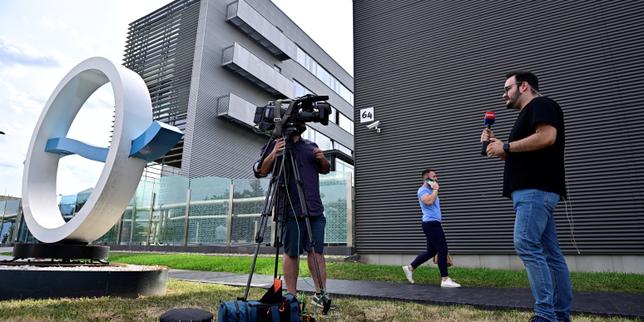
Hungary's new conservative and pro-European Prime Minister, Péter Magyar, who assumed office on April 12, has pledged to dismantle the propaganda apparatus. This system had previously been instrumental in keeping Fidesz, the party of his predecessor Viktor Orbán, in power for sixteen years. Magyar's administration aims to reform the public media landscape, which had been heavily influenced by Orbán's party during its long tenure. The move signifies a significant shift in the country's media governance and political strategy. The new government's focus is on establishing a more independent and less politically aligned public broadcasting service. This initiative is a key promise from Magyar's campaign, signaling a departure from the previous administration's media control.
The transition in Hungary's public media control under Prime Minister Péter Magyar represents a critical juncture. The stated intention to dismantle the "propaganda apparatus" developed under Viktor Orbán's Fidesz party suggests a move towards recalibrating the relationship between the state and public information channels. This shift could impact the future flow of information, political discourse, and the perceived impartiality of state-funded media. Evaluating the long-term implications will require observing the specific reforms implemented and their adherence to principles of journalistic independence and democratic accountability. The effectiveness of these changes will likely be measured by their ability to foster a more pluralistic media environment, thereby strengthening democratic institutions over the next decade.
AI-generated to prompt reflection — not editorial opinion, not advice, not a statement of fact. How this works.