Hungary's New PM Moves to Dismantle Orbán's Legacy, Faces Opposition
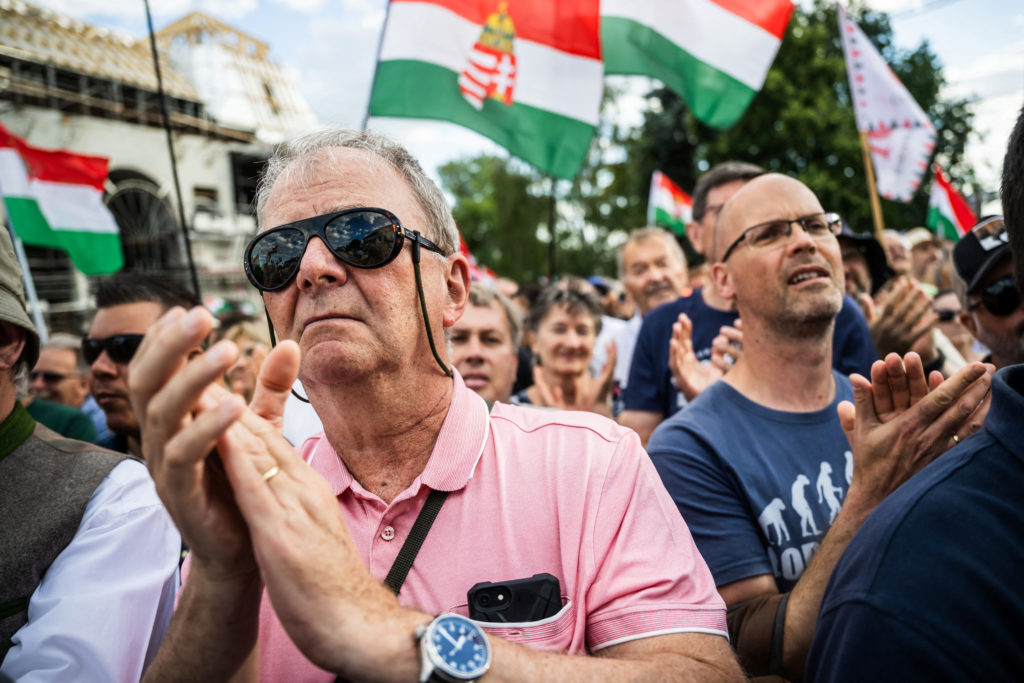
Following his election victory in April, which ended Viktor Orbán's 16-year tenure, Hungary's new pro-European Prime Minister Péter Magyar is initiating a series of actions to dismantle the structures he alleges were established by Orbán's "mafia" regime. Magyar's administration has begun removing numerous political appointees and heads of institutions that are seen as having enabled Orbán's autocratic rule. These moves are part of Magyar's broader agenda to reform the country and shift its political landscape away from the previous administration's policies. The process of restructuring key institutions is underway, aiming to replace individuals perceived as loyal to the former government with new leadership. This transition period is expected to be met with resistance from allies of the former prime minister, as indicated by the protests against the new prime minister's plans, including those targeting President Sulyok. The new government faces the challenge of implementing its reform agenda while navigating potential political opposition and ensuring a stable transition of power.
Prime Minister Péter Magyar's assertive actions to reform Hungary's institutional landscape signal a significant pivot from the previous administration's governance model. By targeting political appointees and institutional leaders, Magyar appears to be addressing systemic issues that may have facilitated autocratic tendencies. This approach, while potentially disruptive, aims to recalibrate governance structures and align them with democratic principles. The challenge lies in balancing the imperative for reform with the need for stability and due process, ensuring that institutional changes are robust and sustainable. Future governance will likely be shaped by the effectiveness of these reforms in fostering accountability and transparency, and by the political dynamics that emerge as these changes are implemented over the next decade.
AI-generated to prompt reflection — not editorial opinion, not advice, not a statement of fact. How this works.