Hungary's Orban Claims Dictatorship After Fidesz Server Raids
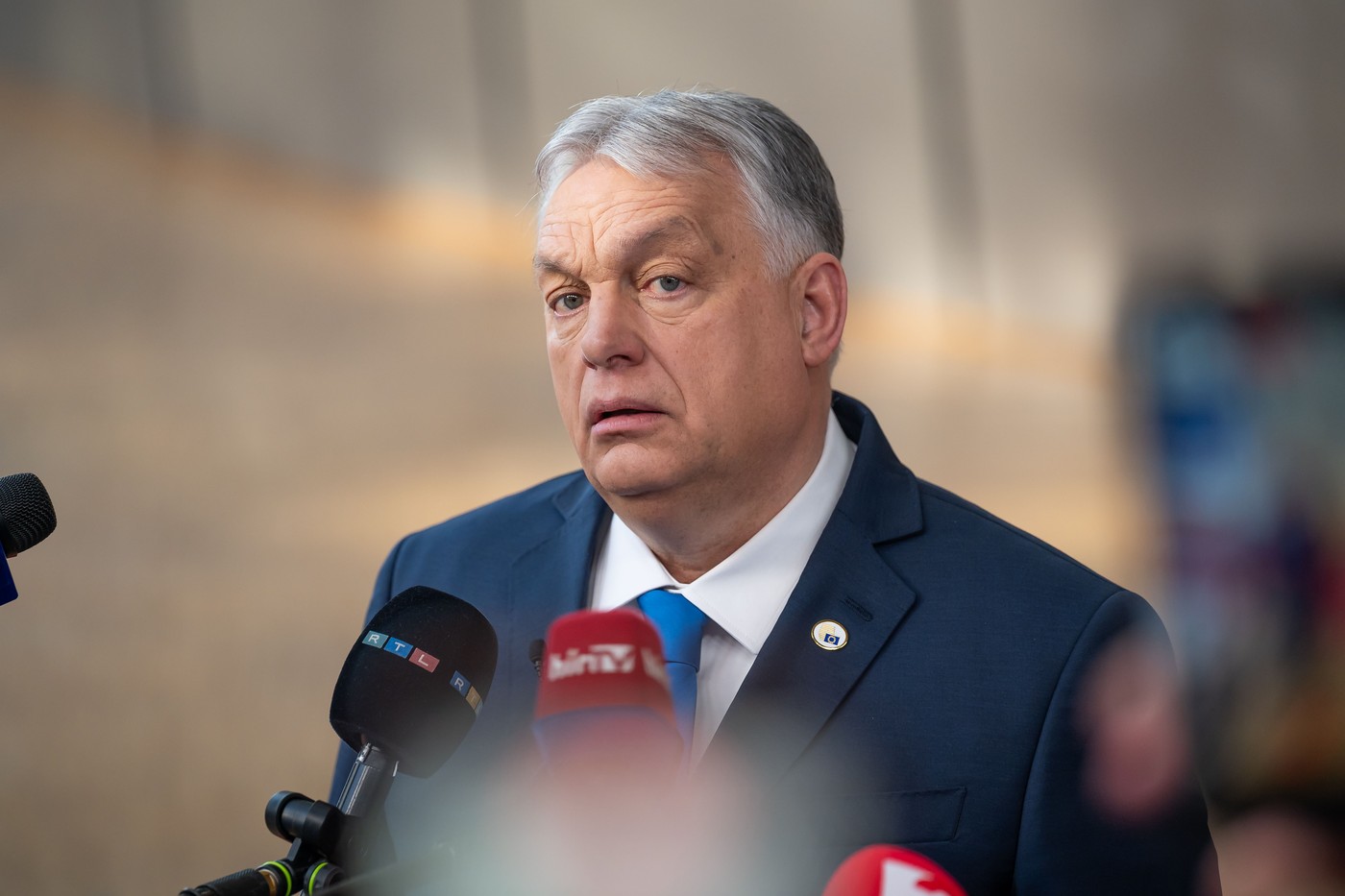
Former Hungarian Prime Minister Viktor Orban has reacted strongly to searches conducted at the servers of his Fidesz party. Orban, who led Hungary for 16 years before being removed from power following the April elections, has urged his supporters to restore democracy in the country. He asserted that democracy has been crushed by the new government. Orban's statements suggest a deep political divide and a significant challenge to the legitimacy of the current administration. The former leader's call to action indicates a potential for continued political instability and public mobilization.
The former Prime Minister's characterization of the server searches as dictatorial, while a strong rhetorical statement, highlights a critical juncture in Hungarian political discourse. Such accusations, regardless of their factual basis, can shape public perception and fuel political polarization. Examining this event through the lens of governance, it underscores the importance of transparent and legally sound procedures in state actions against political entities. Future democratic health may depend on establishing clear boundaries for investigative powers and ensuring due process, particularly in politically charged environments. This situation prompts consideration of how institutional checks and balances function under new leadership and the potential for political actors to leverage legal processes for partisan advantage.
AI-generated to prompt reflection — not editorial opinion, not advice, not a statement of fact. How this works.