Hungary's Paks Nuclear Plant May Halt Operations Due to Low Danube Water Levels
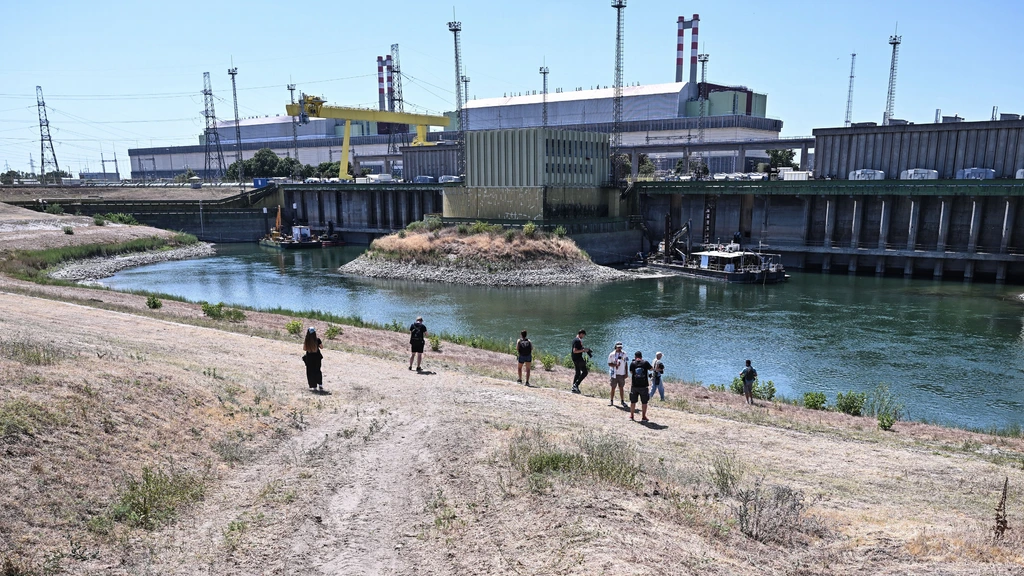
Hungarian Prime Minister Viktor Orbán announced that the Paks nuclear power plant might be shut down this weekend due to critically low water levels in the Danube River, which are preventing adequate cooling. This potential shutdown comes after earlier warnings of a halt scheduled for next week. The Paks plant is a crucial energy source, typically supplying nearly half of Hungary's electricity needs. Record heat and a lack of rainfall have caused the Danube's water level to drop significantly, reducing the plant's output to just a quarter of its normal capacity. Consequently, Hungary is compelled to import electricity, incurring costs in the hundreds of millions of euros. To alleviate strain on the national power grid, freight train operations will be suspended daily between 12:00 PM and 6:00 PM starting Monday. Government officials are mandated to work from home from Monday to Wednesday next week, and businesses are encouraged to implement similar remote work policies for their employees. If the plant's shutdown extends for several weeks, Orbán indicated that large industrial consumers might be asked to voluntarily reduce their electricity consumption. Should this voluntary measure prove insufficient, these large consumers could face mandatory power disconnections.
The situation at the Paks nuclear plant highlights the growing vulnerability of critical infrastructure to climate change impacts, particularly extreme weather events like heatwaves and droughts. The reliance on natural water sources for cooling large-scale energy facilities presents a systemic risk that will likely intensify in the coming decade. Hungary's need to import electricity underscores the interconnectedness of European energy markets and the potential for regional climate challenges to create cascading economic and logistical pressures. The government's response, involving staggered work-from-home orders and potential curtailment of industrial power use, demonstrates adaptive strategies but also points to the trade-offs between energy security, economic activity, and environmental constraints. Future energy planning will need to incorporate more resilient cooling technologies and diversified energy portfolios to mitigate such risks.
AI-generated to prompt reflection — not editorial opinion, not advice, not a statement of fact. How this works.