Hungary's Parliament Ousts President Tamás Sulyok Amid Constitutional Dispute
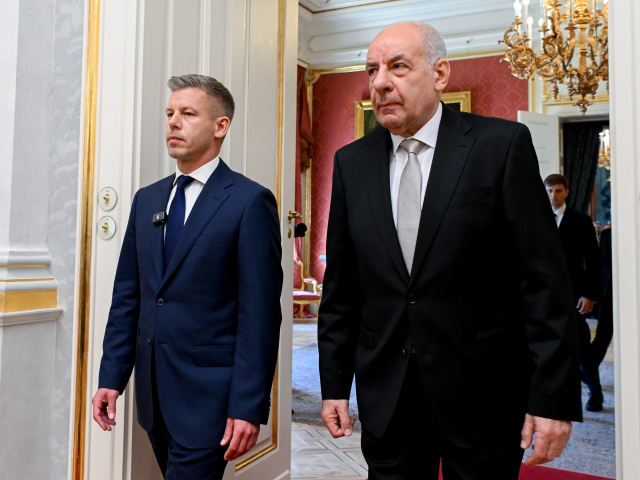
Hungarian lawmakers passed a 17th constitutional amendment on Monday evening, directly leading to the removal of President Tamás Sulyok from office. This action followed a confrontation with Prime Minister Péter Magyar, who had previously threatened Sulyok with constitutional proceedings if he did not sign the amendment within five days. The amendment's passage signifies a significant escalation in the ongoing constitutional conflict within Hungary. President Sulyok had apparently refused to yield to the Prime Minister's demands, prompting this legislative response. The events highlight a deep division and power struggle within the Hungarian political landscape. The specific details of the amendment and the exact nature of Sulyok's refusal are central to understanding the full implications of this constitutional crisis. The situation is being closely monitored for its potential impact on Hungary's democratic institutions and the rule of law.
The recent constitutional amendment in Hungary, leading to the removal of President Tamás Sulyok, illustrates a critical juncture in the nation's governance. This event underscores the dynamic between executive power and institutional checks and balances, particularly when political leadership faces resistance. The situation prompts consideration of how constitutional frameworks adapt or are reshaped under pressure from dominant political forces. As Hungary navigates these internal political developments, the long-term implications for its democratic resilience and adherence to established legal norms will be a key area to observe over the coming decade, especially in the context of evolving European governance standards.
AI-generated to prompt reflection — not editorial opinion, not advice, not a statement of fact. How this works.