Hungary's Poverty Metrics Need Recalibration, Says Report
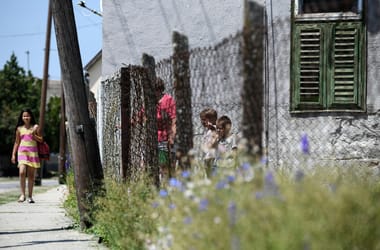
Hungary has struggled to accurately track poverty levels since 2014, according to a recent assessment. A key indicator of this issue is the discrepancy surrounding child stipends for school supplies. The government provided these benefits to 400,000 children, despite official figures suggesting a lower number of children living in poverty. This contradiction highlights a fundamental problem with the current methods used to measure deprivation within the country. Experts argue that these poverty indicators require significant recalibration to align with factual data. Such recalibration is deemed essential for the development and implementation of evidence-based social policies. Without accurate metrics, the effectiveness of social support programs, particularly for vulnerable populations like children, is compromised. The current situation suggests that policy decisions may be based on flawed or outdated information regarding the true extent of poverty in Hungary.
The reported discrepancy in child poverty figures suggests a potential disconnect between government policy implementation and official statistical reporting in Hungary. This raises questions about the accuracy and reliability of the nation's poverty measurement tools, which are critical for effective social welfare allocation. The need to 'recalibrate' these metrics indicates that current indicators may not accurately reflect the lived realities of deprivation, potentially leading to misdirected resources or an incomplete understanding of societal needs. Moving forward, ensuring that social policy is grounded in robust, up-to-date data is paramount for equitable distribution of aid and for addressing the root causes of poverty in the long term.
AI-generated to prompt reflection — not editorial opinion, not advice, not a statement of fact. How this works.