Hungary's President Signs Constitutional Reform Leading to His Own Dismissal
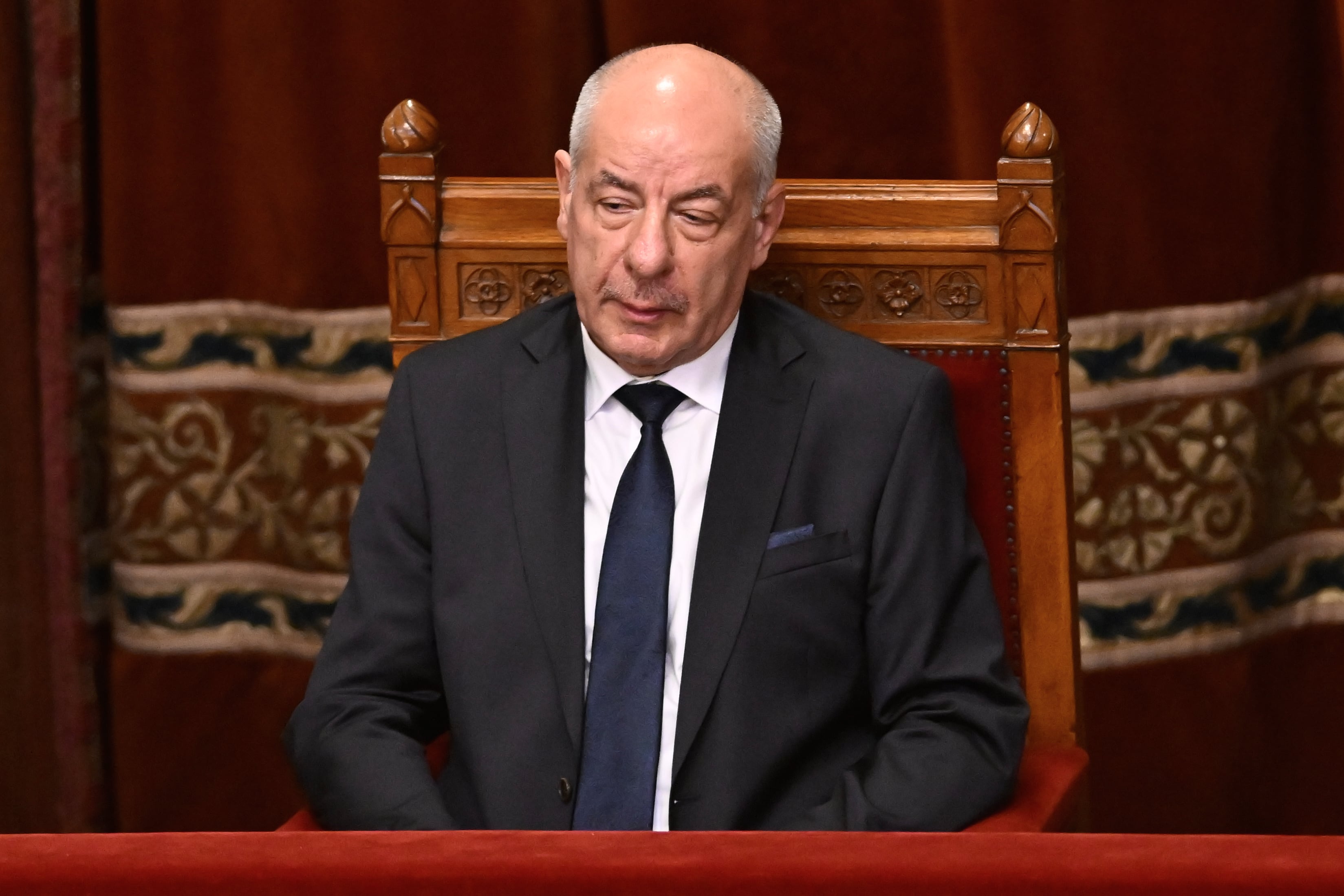
Hungarian President Tamás Sulyok has signed a constitutional reform that effectively leads to his own dismissal from office. Sulyok, who was appointed by Prime Minister Viktor Orbán, has publicly denounced the move, calling it a "grave and shameful historical example of the abuse of political power." The reform introduces significant changes to the Hungarian constitution, altering the framework under which the presidency operates. Details regarding the specific mechanisms of dismissal and the timeline for this process are not fully elaborated in the provided information. However, the act of the president signing legislation that removes him from his position marks a significant political development within Hungary. This event raises questions about the checks and balances within the Hungarian political system and the potential implications for the separation of powers. The president's strong condemnation suggests internal political friction surrounding the reform.
The constitutional reform signed by Hungarian President Tamás Sulyok, leading to his own dismissal, represents a complex interplay of political maneuvering and constitutional governance. The president's public denouncement highlights potential tensions between the executive and legislative branches, or perhaps within the ruling party's strategic objectives. Such actions can be analyzed through the lens of institutional design and the robustness of democratic checks and balances. Future political stability may depend on how effectively the system can absorb such significant constitutional shifts without undermining public trust or the rule of law. This event prompts consideration of the long-term implications for Hungary's governance structures and its adherence to democratic norms in an era where political systems globally are being tested.
AI-generated to prompt reflection — not editorial opinion, not advice, not a statement of fact. How this works.