Hungary's Public Broadcaster Halts Broadcasts Amid Bias Allegations
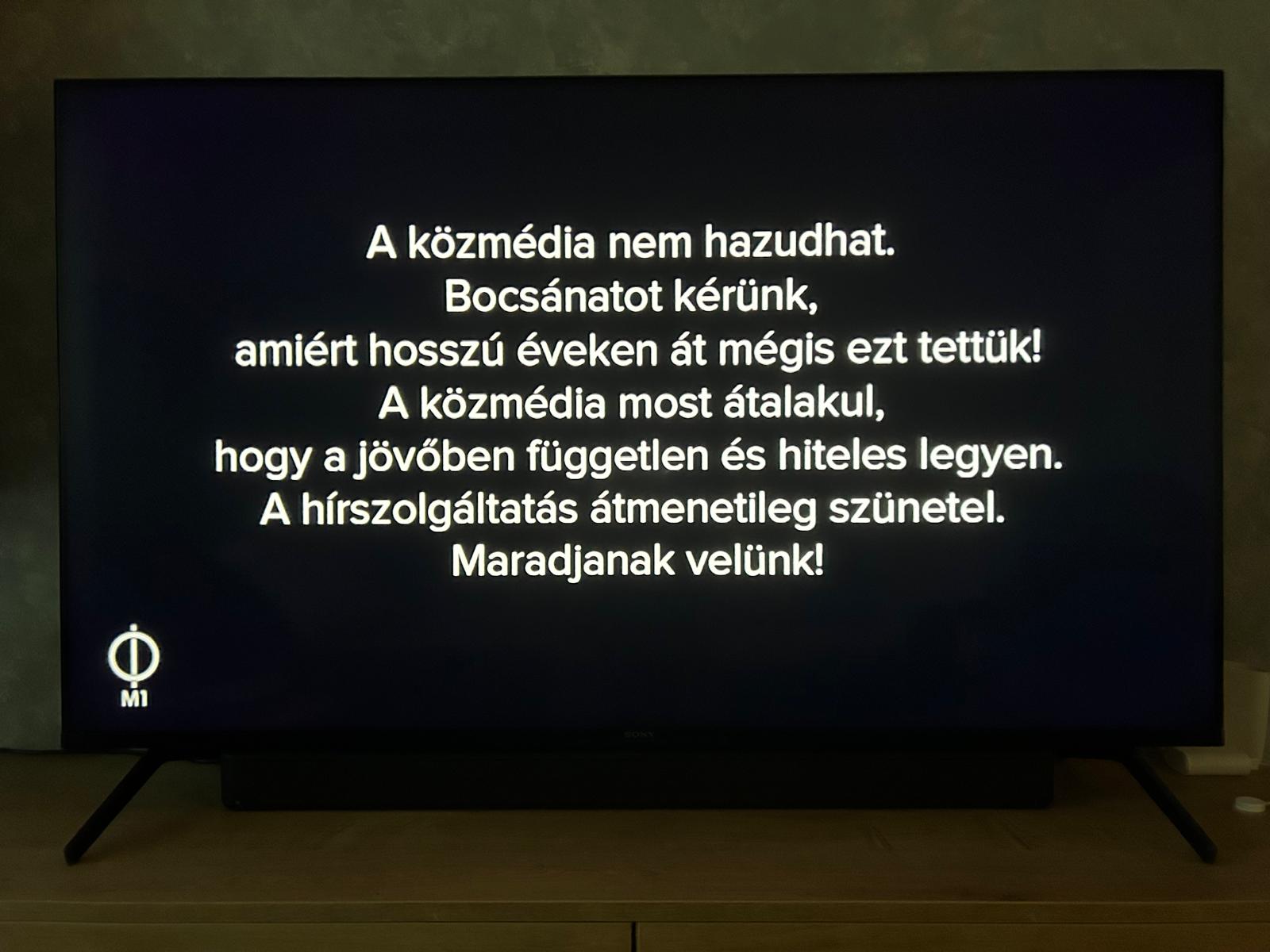
Hungary's public television and radio stations temporarily ceased broadcasting on Tuesday afternoon. This action follows accusations by the new Prime Minister, Peter Magyar, that the stations were biased in favor of former Prime Minister Viktor Orbán. Magyar hailed the event as a "historic day." The move by the public broadcaster, which has been criticized for its alleged partisanship, marks a significant moment in the country's media landscape. The temporary suspension of services raises questions about the future editorial direction and independence of state-funded media in Hungary. This development is being closely watched by international observers concerned about media freedom in the region.
The temporary halt in public broadcasting in Hungary, initiated by Prime Minister Peter Magyar, signals a potential shift in state media's operational paradigm. By citing bias allegations against the former administration, Magyar is leveraging public sentiment and institutional control to reshape the media narrative. This action could be interpreted as an attempt to recalibrate the perceived impartiality of public service media, aligning it with a new political mandate. The long-term implications will depend on whether this leads to sustained structural reforms ensuring genuine editorial independence or represents a temporary consolidation of political influence over the airwaves. The international community will likely monitor adherence to democratic principles of media freedom and the establishment of transparent governance mechanisms for public broadcasters.
AI-generated to prompt reflection — not editorial opinion, not advice, not a statement of fact. How this works.