Hungary's sole nuclear power plant faces shutdown due to low Danube water levels
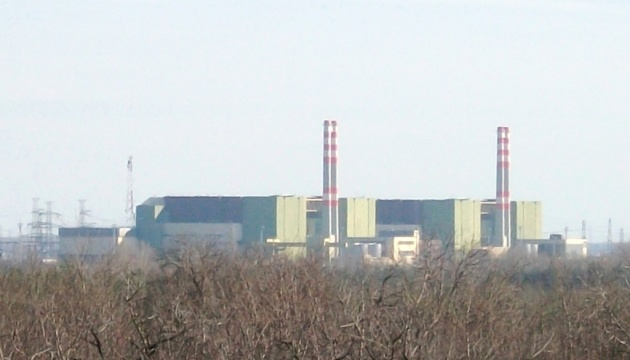
Hungary's only nuclear power plant, Paks, is at risk of a complete shutdown in the near future. This potential halt is attributed to the critically low water levels in the Danube River. In response to the energy challenges, the country is implementing emergency energy conservation measures. The Paks plant relies on the Danube for cooling its reactors. Historically, the river's water levels have fluctuated, but current conditions are described as record-low, posing a significant operational risk. The government's decision to introduce energy-saving measures suggests a broader concern about the national energy supply and demand balance. This situation highlights the vulnerability of critical infrastructure to environmental changes and climate impacts. Further details on the specific conservation measures and their expected impact are not provided in the source. The operational status of the Paks plant will likely depend on the river's water levels and the effectiveness of any mitigation strategies employed.
The potential shutdown of Hungary's Paks nuclear facility due to low Danube water levels underscores the systemic risks that climate change poses to critical energy infrastructure. This event highlights the inherent trade-offs in relying on large-scale energy production dependent on natural resources susceptible to environmental shifts. As the global climate continues to evolve, such vulnerabilities may become more frequent, necessitating a strategic re-evaluation of energy security frameworks. Future energy planning will likely need to incorporate greater resilience against environmental factors, potentially through diversified energy sources, enhanced water management infrastructure, or advanced cooling technologies for power plants. The situation prompts consideration of how national energy policies can proactively adapt to long-term environmental trends rather than reactively manage crises.
AI-generated to prompt reflection — not editorial opinion, not advice, not a statement of fact. How this works.