Failings Cited in Inner Mongolia Plant Blast That Killed 10, Injured 84
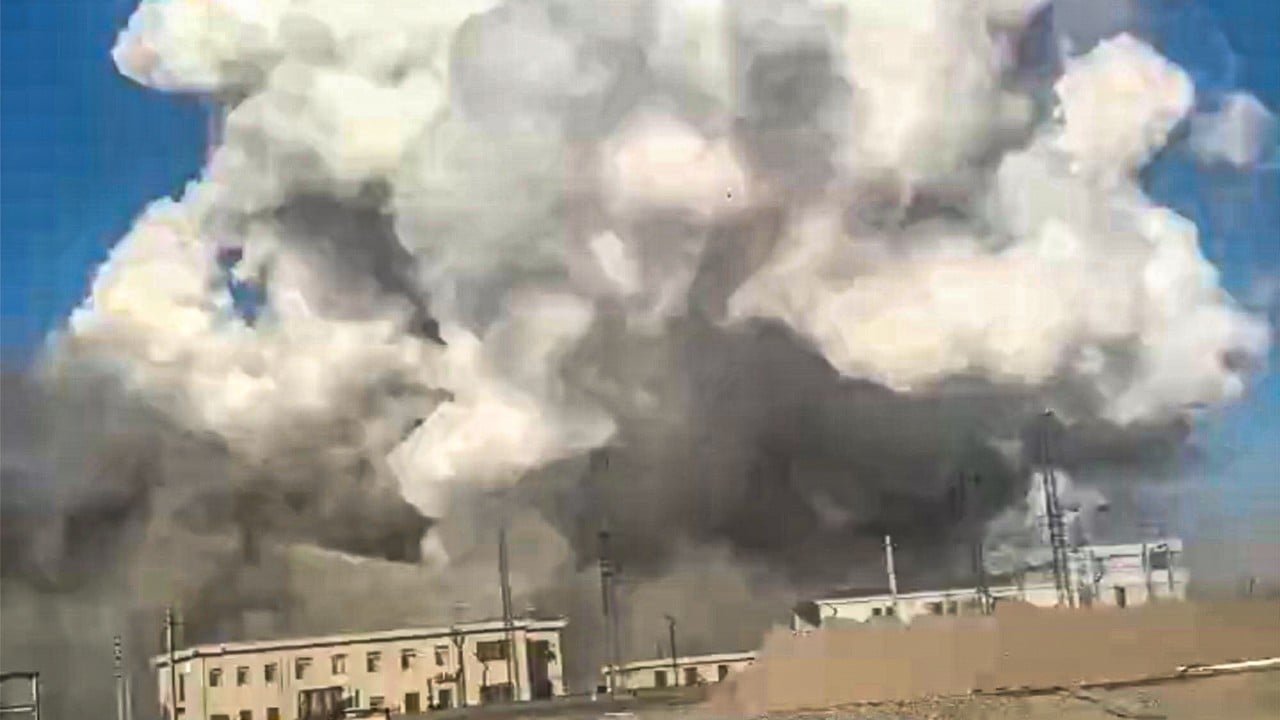
An official report released on Sunday has attributed a fatal explosion at the Baotou Steel Group's plant in Inner Mongolia to a series of systemic failures. The blast, which occurred earlier this year in Baotou, resulted in the deaths of 10 individuals and left 84 others injured. According to the Inner Mongolian emergency management department, the incident stemmed from a leak caused by corrosion on the inner wall of a steam storage pressure vessel. The report detailed a range of shortcomings, including inadequate maintenance practices, flawed design, and insufficient oversight. These cumulative issues created the conditions for the catastrophic failure. The investigation highlighted the critical role of these failings in the tragic outcome. The findings underscore the need for stricter adherence to safety protocols and improved regulatory supervision within the industrial sector.
The investigation into the Baotou Steel Group plant explosion reveals a critical intersection of operational deficiencies and regulatory oversight failures. The report's emphasis on poor maintenance, design flaws, and inadequate supervision points to systemic issues within industrial safety management. This incident serves as a stark reminder of how neglecting foundational engineering principles and oversight can lead to severe consequences, particularly in high-risk industrial environments. Moving forward, a focus on robust preventative maintenance schedules, rigorous design reviews, and enhanced independent regulatory oversight will be crucial to mitigate similar future events and ensure the safety of industrial operations in the face of evolving technological and operational complexities.
AI-generated to prompt reflection — not editorial opinion, not advice, not a statement of fact. How this works.