Hungary to Shut Down Nuclear Plant Amid Low Danube Levels; Romania Declares State of Emergency
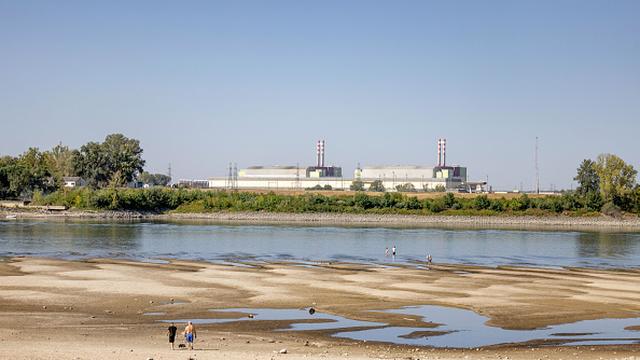
Hungary plans to shut down its sole nuclear power plant, Paks, due to persistently low water levels in the Danube River. The plant relies on the river for cooling. This decision highlights the growing impact of water scarcity on critical infrastructure. Meanwhile, Romania has declared a nationwide state of emergency for August. The specific reasons for Romania's emergency declaration are not detailed in the provided text, but it is occurring concurrently with Hungary's water-related energy concerns. Both situations underscore the environmental challenges facing Central and Eastern Europe.
The confluence of energy production challenges and environmental conditions in Hungary and Romania points to systemic vulnerabilities. Hungary's reliance on the Danube for nuclear cooling, and the subsequent shutdown, illustrates the increasing risk posed by climate change-induced water scarcity to energy security. Romania's state of emergency, though unspecified, suggests potential cascading effects or broader preparedness concerns. These events highlight the need for diversified cooling strategies in energy infrastructure and robust contingency planning for climate-related disruptions, particularly as demand and environmental pressures intensify in the coming decade.
AI-generated to prompt reflection — not editorial opinion, not advice, not a statement of fact. How this works.