Hunters Cull Thousands of Invasive Nutria in Brandenburg
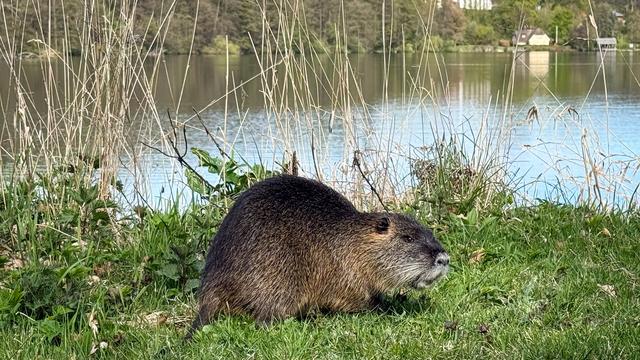
Hunters in the German state of Brandenburg have culled thousands of nutria, an invasive rodent species, as part of efforts to control their population. The nutria, originally from South America, pose a significant threat to local ecosystems and infrastructure. They are known to damage riverbanks, dikes, and agricultural land through their burrowing activities. This widespread destruction can lead to increased erosion and undermine the stability of water management systems. The culling operation aims to mitigate these environmental and economic damages. Brandenburg authorities have been monitoring the nutria population closely, recognizing the ecological imbalance caused by their unchecked proliferation. The initiative highlights the ongoing challenges faced by conservationists and wildlife managers in dealing with non-native species that disrupt native biodiversity. Efforts to manage invasive species often involve a combination of monitoring, habitat control, and direct population reduction measures. The success of this operation will be evaluated based on its impact on reducing nutria numbers and preventing further ecological harm.
The culling of invasive nutria in Brandenburg addresses a common ecological challenge stemming from species displacement. From a systems perspective, the presence of non-native species like nutria disrupts established environmental equilibria, potentially leading to cascading negative effects on biodiversity and infrastructure. The culling operation represents a direct intervention strategy to restore ecological balance and mitigate economic damage. Future considerations might involve exploring more sustainable, long-term management strategies that could include habitat modification or biological control agents, balanced against potential unintended consequences. Examining the root causes of invasive species introduction, such as historical trade routes and habitat fragmentation, could also inform preventative measures, aligning with a proactive approach to biodiversity conservation in the face of global environmental change.
AI-generated to prompt reflection — not editorial opinion, not advice, not a statement of fact. How this works.