Hurricane Mitch Unleashes Devastation on Guatemala with Intense Rains
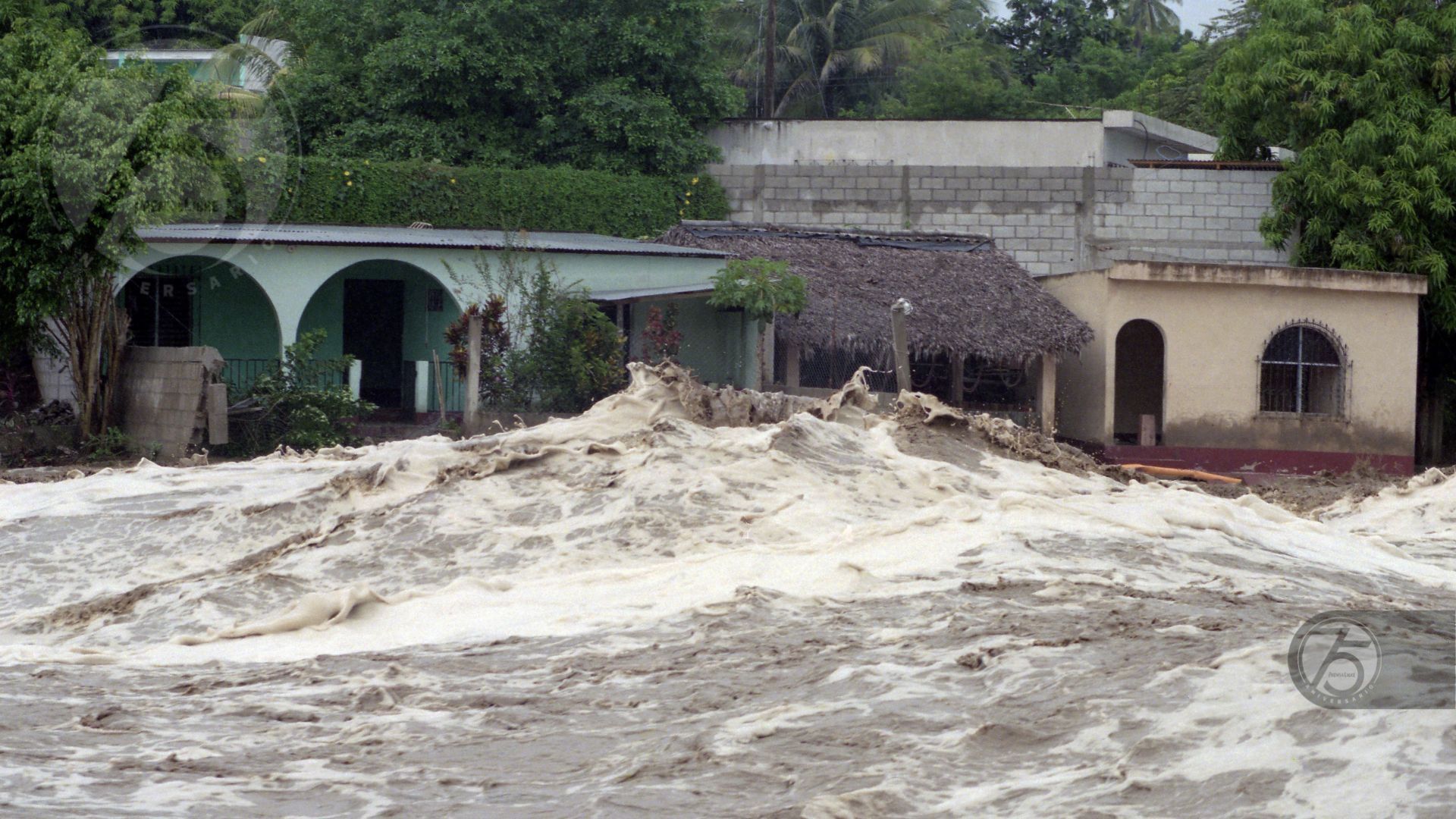
On November 3, 1988, Hurricane Mitch caused widespread devastation across Guatemala. The powerful storm brought intense rainfall and led to significant river flooding throughout the country. This catastrophic event resulted in considerable damage and loss. The hurricane's impact was characterized by its destructive force and the subsequent environmental challenges it created. The heavy rains were a primary factor in the widespread flooding. Guatemala experienced severe consequences from the storm's passage. The full extent of the devastation included damage to infrastructure and potential loss of life. The aftermath required significant recovery efforts.
The 1988 Hurricane Mitch event in Guatemala highlights the vulnerability of developing nations to extreme weather phenomena, exacerbated by potential infrastructure limitations. Analyzing the event through a ten-year lens, it underscores the growing imperative for climate change adaptation strategies and robust disaster preparedness, particularly in regions with high population density near waterways. Future resilience will depend on integrated approaches combining early warning systems, sustainable land-use planning, and international cooperation to mitigate the impact of increasingly severe weather events driven by global climate shifts.
AI-generated to prompt reflection — not editorial opinion, not advice, not a statement of fact. How this works.
