Husband Alleges Medical Negligence After Wife Dies Waiting for Transfer
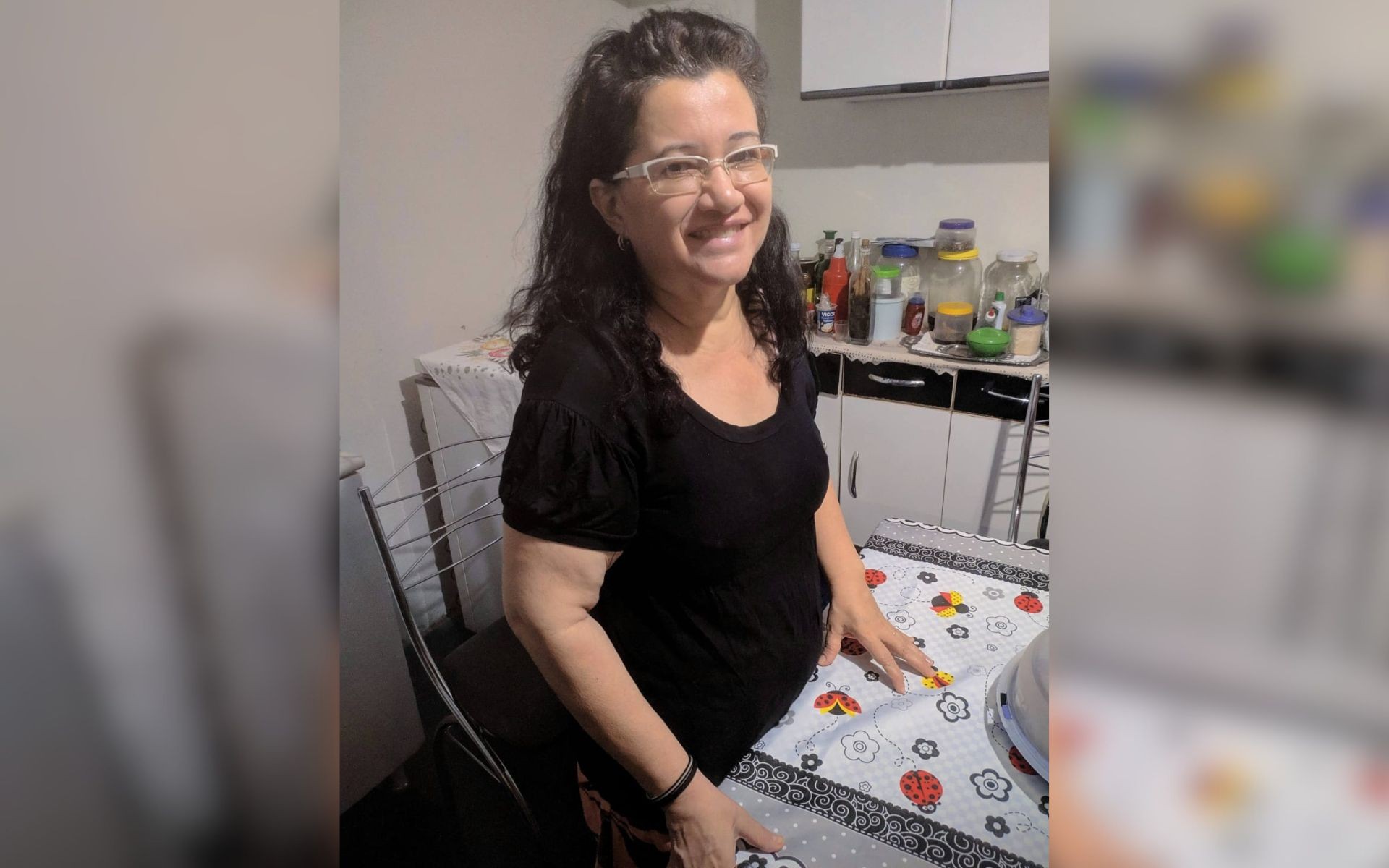
A 57-year-old woman with a rare form of Parkinson's disease died after waiting three days at a public emergency room in Araçatuba, São Paulo, for a transfer to the Santa Casa de Araçatuba hospital. Her husband, Augusto Alves, has accused the emergency room of medical negligence. Silvia Maria Domingues Francischini was admitted on Wednesday, July 22nd, with severe secretions and difficulty swallowing, initially diagnosed with pneumonia and a urinary tract infection. Alves reported that his wife's condition worsened significantly during her stay, experiencing breathing difficulties and a drop in oxygen saturation. He also noted a delay in a chest X-ray due to a lack of a stretcher, and expressed suspicion about the cancellation of a transfer request. The transfer to Santa Casa finally occurred on Sunday, July 26th, after the husband obtained a court order. Upon arrival at Santa Casa, doctors stated her condition was irreversible, and she was pronounced dead at 11 AM that day. The Municipal Health Secretariat stated the patient received care during her time at the emergency room and that the transfer occurred after a hospital bed was accepted. Santa Casa confirmed the transfer request and stated they repeatedly informed the system of their inability to accept new patients due to overcrowding, a situation also faced by the Hospital Estadual de Mirandópolis.
This case highlights systemic issues within public healthcare access, particularly concerning patient transfers between facilities. The prolonged wait for a transfer, despite a deteriorating condition and judicial intervention, raises questions about resource allocation, inter-hospital coordination, and the efficiency of the state's bed management system (SIRESP/CROSS). The conflicting accounts regarding the cancellation of the transfer request and the Santa Casa's repeated rejections due to overcrowding point to potential bottlenecks and a regional deficit in critical care capacity. Future improvements could involve enhanced real-time bed availability tracking, clearer protocols for emergency transfers, and proactive capacity planning to prevent such critical delays, especially for patients with complex or rare conditions.
AI-generated to prompt reflection — not editorial opinion, not advice, not a statement of fact. How this works.