Hydroponic Gardens Foster Innovation and Empower Women in South Africa
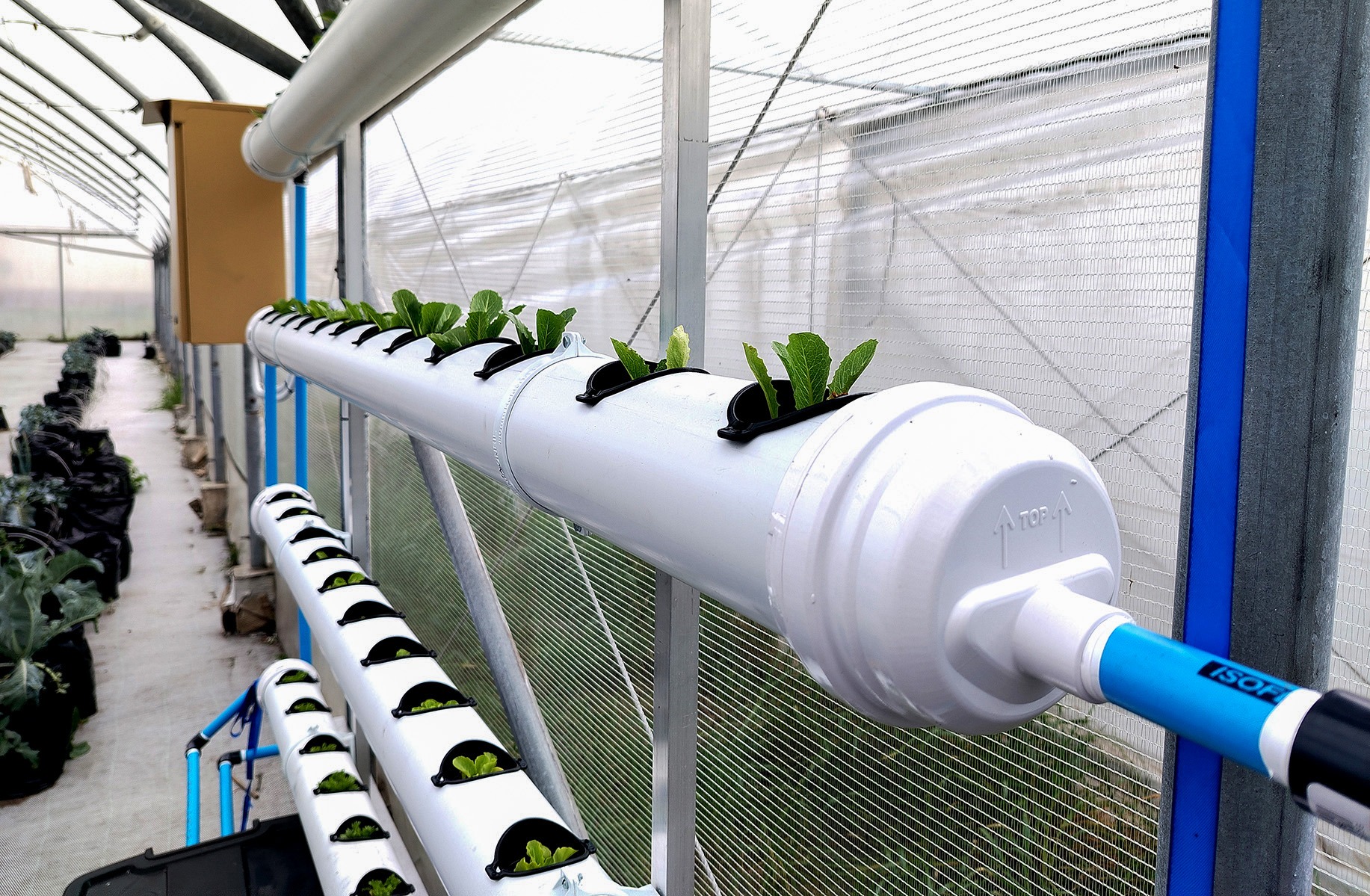
Two South African high schools and women from nearby communities are set to benefit from a new sustainable agriculture initiative. Participants will learn to cultivate vegetables using a specially designed solar-powered vertical hydroponic system. This innovative method eliminates the need for soil, conserves water through recycling, and operates without generating emissions. The program aims to introduce sustainable growing practices while simultaneously empowering women through new skills and potential economic opportunities. This project represents a forward-thinking approach to food security and community development in the region.
This initiative leverages technology to address food security and gender empowerment by introducing soil-less agriculture. The use of solar power and water recycling highlights a commitment to environmental sustainability, aligning with global trends toward greener technologies. By focusing on women and educational institutions, the project aims to build capacity and foster innovation within local communities. This approach could serve as a replicable model for similar challenges in other regions, demonstrating how technological solutions can intersect with social development goals. The long-term success will likely depend on ongoing training, market access for produce, and the integration of these skills into broader economic frameworks.
AI-generated to prompt reflection — not editorial opinion, not advice, not a statement of fact. How this works.