Hyundai Workers Strike Over Fear of Humanoid Robots Replacing Jobs
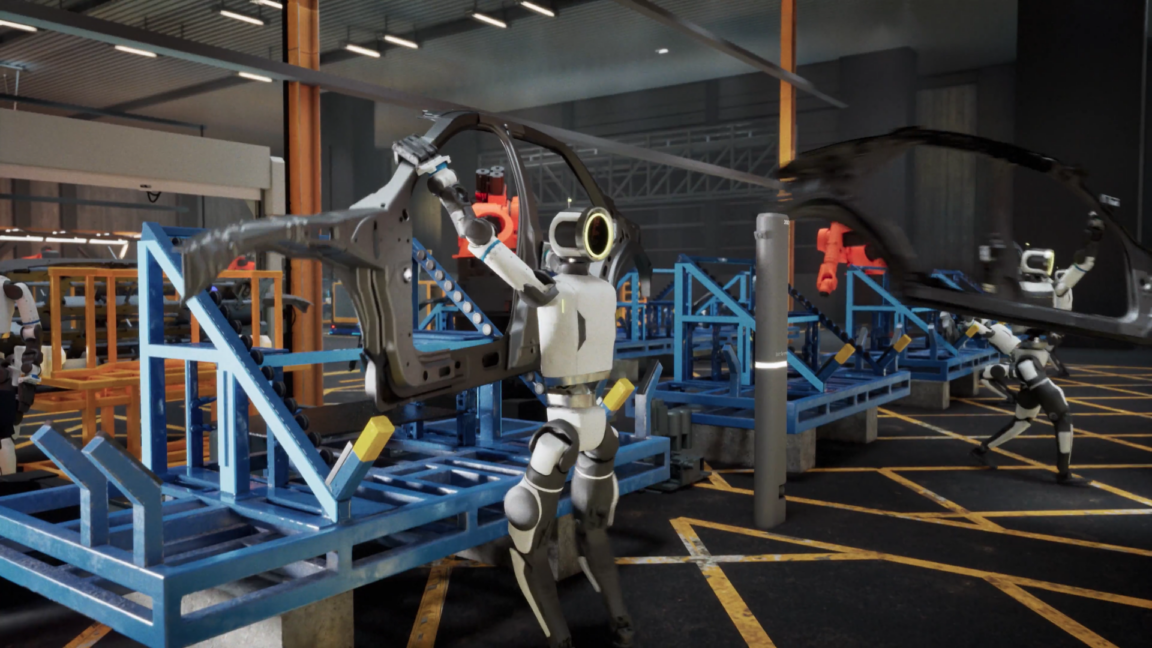
Human workers at a Hyundai auto factory have initiated a strike, expressing deep concerns about the impending deployment of humanoid robots. The company plans to introduce 25,000 Atlas robots, with the rollout set to begin in U.S. factories in 2028. This move has ignited fears among the workforce that their jobs may be rendered obsolete by advanced automation. The strike highlights the growing tension between technological advancement in the automotive industry and the preservation of human employment. Workers are seeking assurances regarding job security and potential retraining programs as the company embraces a more automated future. The situation underscores a critical juncture for labor relations in manufacturing, where the integration of sophisticated robotics presents both opportunities for efficiency and challenges for the existing workforce. The union representing the striking workers is expected to negotiate with Hyundai management to address these anxieties and find a path forward that balances technological progress with employee welfare.
The introduction of advanced robotics like the Atlas model by Hyundai signals a significant shift in manufacturing labor dynamics. While automation promises increased efficiency and productivity, it simultaneously raises valid concerns about job displacement and the future of human employment. This situation presents a classic case study in managing technological transitions: companies face pressure to innovate and remain competitive, while workers understandably seek security and a clear path to adapt. The core challenge lies in developing equitable strategies for workforce integration, potentially involving robust reskilling initiatives and transparent communication about the long-term vision for human-robot collaboration. Over the next decade, as AI and robotics become more sophisticated, such labor-management dialogues will be crucial for navigating the societal implications of automation and ensuring a more inclusive technological future.
AI-generated to prompt reflection — not editorial opinion, not advice, not a statement of fact. How this works.