IBGE Closes Applications for 1,414 Temporary Census Roles on July 15
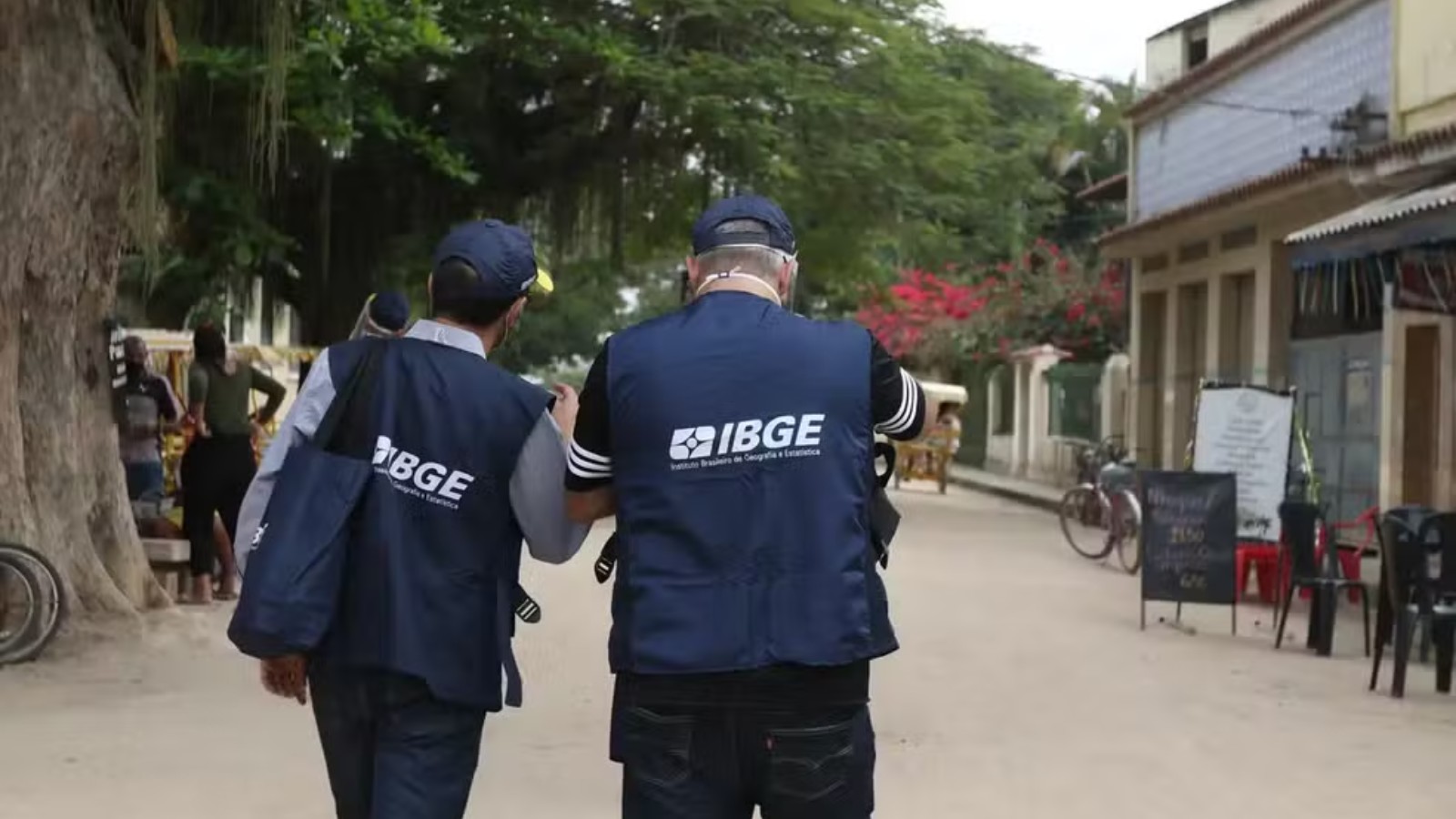
The Brazilian Institute of Geography and Statistics (IBGE) is concluding its application period for 1,414 temporary positions on Wednesday, July 15, at 11:59 PM. These roles are part of the 12th Agricultural, Forestry, and Aquaculture Census and the 1st National Census of the Homeless Population, both scheduled for 2026. This second selection process offers opportunities for Census Analysts, requiring a university degree, and Quality Census Agents, requiring a high school diploma. The first selection process, which closed last week, focused on operational and supervisory roles for individuals with a high school education.
Interested candidates must apply exclusively online through the Instituto Avalia website, the organizing body. Application fees are R$41.76 for Quality Census Agents and R$37.50 for Census Analysts, with waivers available for those registered in the Federal Government's Single Registry for Social Programs (CadÚnico) and eligible bone marrow donors. The positions offer monthly salaries of R$2,932 for Quality Census Agents and R$5,255.40 for Census Analysts, along with benefits such as meal, transportation, and pre-school assistance, plus proportional vacation and 13th salary. Contracts are initially for 12 months but can be extended up to 48 months based on IBGE's needs and budget.
The selection process includes an objective test with 60 multiple-choice questions, covering Portuguese, Quantitative Logical Reasoning, Geography, and Technical Knowledge for Quality Census Agents, and Portuguese, Quantitative Logical Reasoning, and Specific Knowledge for Census Analysts. Minimum passing scores are 30% for Quality Census Agents and 40% for Census Analysts, with at least one correct answer per subject required. Exams are scheduled for August 30th in all state capitals and the Federal District, with specific times for each role. The IBGE has also implemented affirmative action policies, reserving 5% of positions for people with disabilities, 25% for Black and mixed-race individuals, 3% for indigenous people, and 2% for quilombolas.
This IBGE hiring initiative highlights the logistical complexities and resource demands inherent in conducting comprehensive national censuses, particularly for evolving societal needs like mapping the homeless population. The tiered application process and varying qualification requirements reflect a strategy to efficiently staff diverse operational and analytical functions. The inclusion of affirmative action quotas demonstrates a commitment to equitable representation, though the effectiveness of such measures often depends on robust implementation and monitoring to ensure genuine opportunity. As Brazil navigates economic fluctuations and invests in data-driven policy, the success of these temporary roles in accurately capturing critical demographic and economic information will be paramount for future planning and resource allocation.
AI-generated to prompt reflection — not editorial opinion, not advice, not a statement of fact. How this works.