IBGE Extends Application Deadline for Over 8,000 National Census Jobs, Including 156 in Tocantins
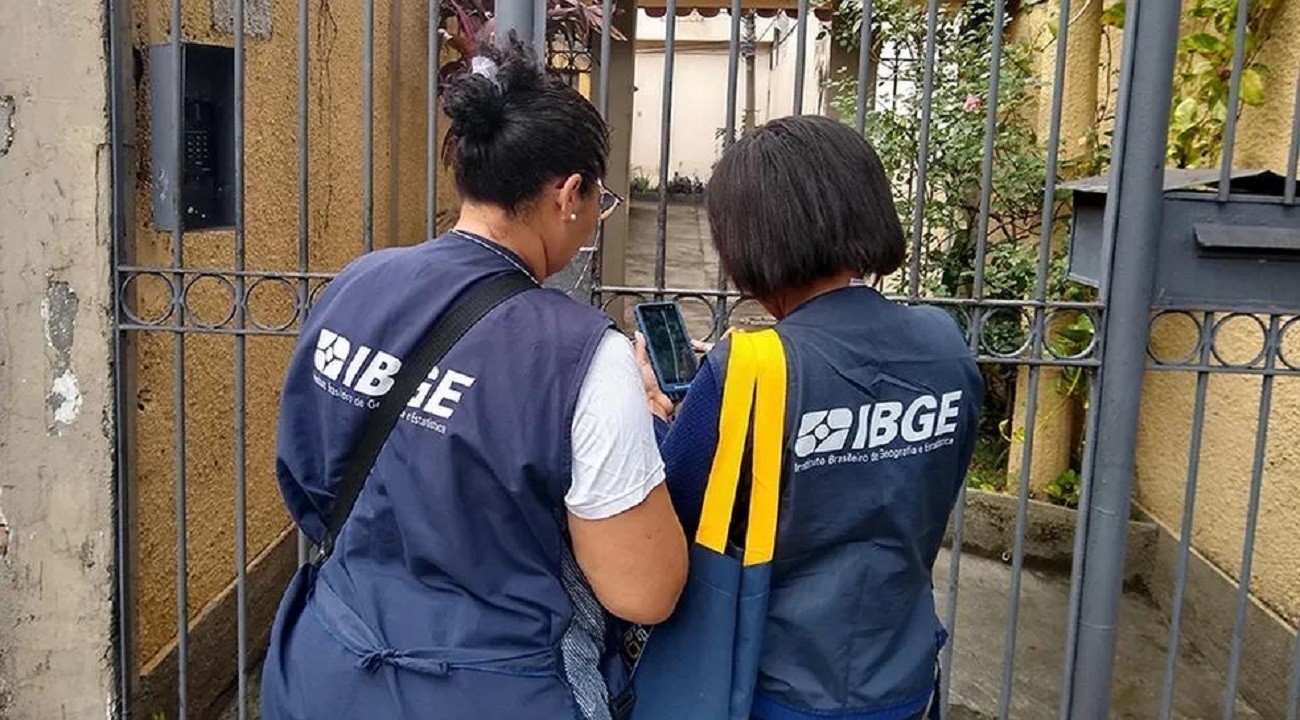
The Brazilian Institute of Geography and Statistics (IBGE) has extended the application deadline for its 12th Agricultural, Forestry, and Aquaculture Census selection process to July 9th. Initially, the deadline was set for earlier in July, but the IBGE decided to prolong it, allowing more interested individuals to apply. Across Brazil, over 8,000 positions are available, distributed among five distinct roles. The monthly salaries for these positions range from R$ 2,128 to R$ 4,008, in addition to other benefits. In the state of Tocantins (TO), there are 156 vacancies specifically for the roles of Supervisor Census Agent, Administrative Census Agent, IT Census Agent, Regional Operational Agent, and Regional Census Agent. All of these positions require a completed high school education. Applications and requests for exemption from the R$ 53 application fee can be submitted through the IBGE website until 2 PM on July 9th. The exam is scheduled for September 27th, with the final results expected by December 18th. Successful candidates in Tocantins will be assigned to work in various municipalities, including Palmas, Araguaína, and Gurupi.
The IBGE's decision to extend the application deadline for census positions reflects a common challenge in public administration: ensuring sufficient qualified candidates for essential data collection roles. This extension may indicate lower-than-anticipated initial application numbers or a strategic effort to broaden the applicant pool, potentially to enhance representation across diverse geographical areas within Tocantins and the nation. The tiered salary structure, with higher pay for specialized roles like IT Census Agents, aligns with market incentives for technical skills. As Brazil continues its digital transformation, the ability of public institutions like the IBGE to attract and retain talent with modern skill sets for critical statistical work will be a key determinant of their effectiveness in providing accurate socio-economic data for future policy-making.
AI-generated to prompt reflection — not editorial opinion, not advice, not a statement of fact. How this works.