IBGE Launches National Health Survey in São José dos Campos
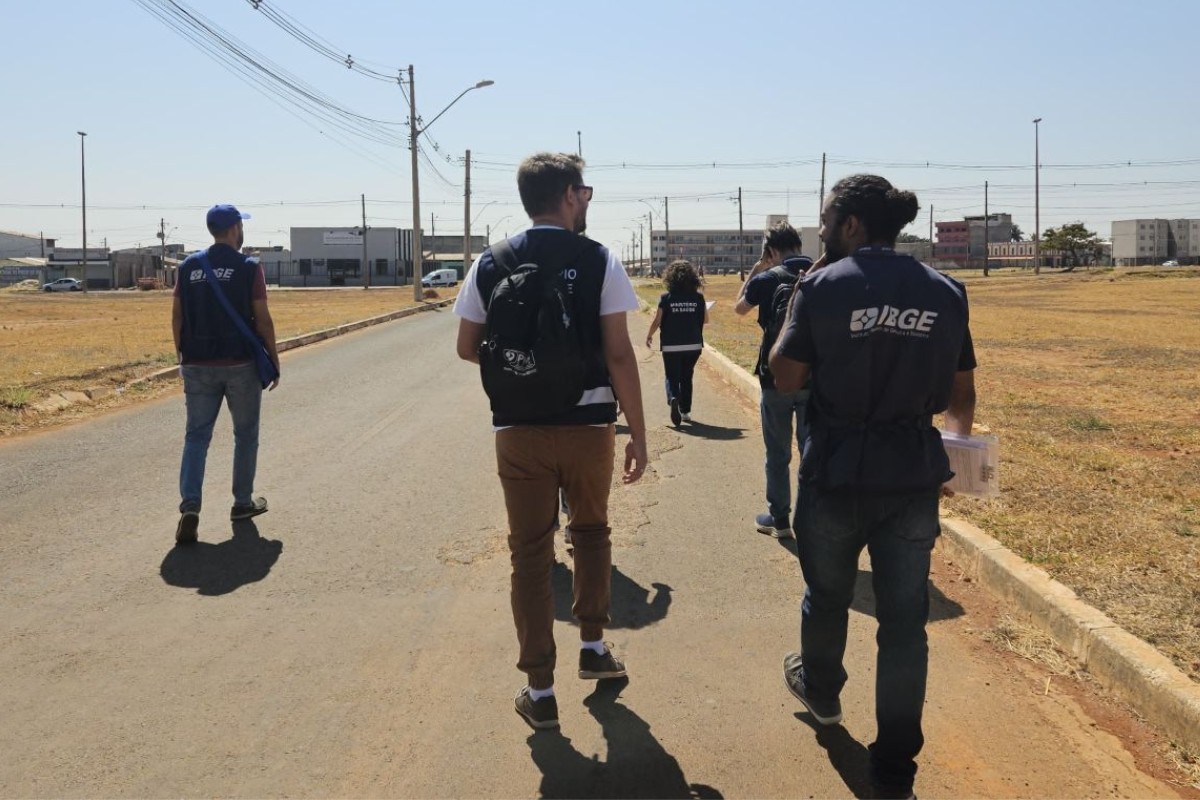
The Brazilian Institute of Geography and Statistics (IBGE) has commenced the National Health Survey (PNS) data collection in São José dos Campos, São Paulo, starting Tuesday, August 14th. This survey involves in-person visits to randomly selected households to gather information on the health conditions of the Brazilian population. The PNS is a critical resource for planning, monitoring, and evaluating public health policies, as well as supporting research and health promotion initiatives aimed at reducing inequalities.
IBGE agents will conduct interviews and collect physical measurements such as weight, height, and blood pressure, which are vital for monitoring public health indicators like hypertension and overweight. Nationwide, approximately 1,800 interviewers will visit around 140,000 households by the end of November. In São Paulo state, about 200 professionals will cover approximately 7,845 residences, encompassing both urban and rural areas.
This 2026 edition is the third iteration of the PNS, following previous surveys in 2013 and 2019. The collected data will enable comparisons of health indicators and identification of changes in the population's health profile over time. Beyond healthcare access and utilization, the survey delves into risk factors, diseases, quality of life, and lifestyle habits, while also examining socioeconomic factors like education, employment, income, and housing conditions to understand their influence on public health.
The IBGE's National Health Survey is a crucial mechanism for evidence-based policymaking in Brazil's public health sector. By systematically collecting granular data on health status, risk factors, and socioeconomic determinants, the survey aims to provide a comprehensive picture of population health. This data-driven approach is essential for identifying health disparities and allocating resources effectively, particularly in the context of evolving public health challenges and the increasing integration of health considerations into broader social and economic policies. The survey's longitudinal nature, with previous iterations in 2013 and 2019, allows for the tracking of trends and the assessment of policy impacts over time, offering valuable insights into the effectiveness of public health interventions and the dynamic interplay between societal factors and health outcomes.
AI-generated to prompt reflection — not editorial opinion, not advice, not a statement of fact. How this works.