Ibiá City Hall Announces Public Service Exam with Salaries Up to R$5,200
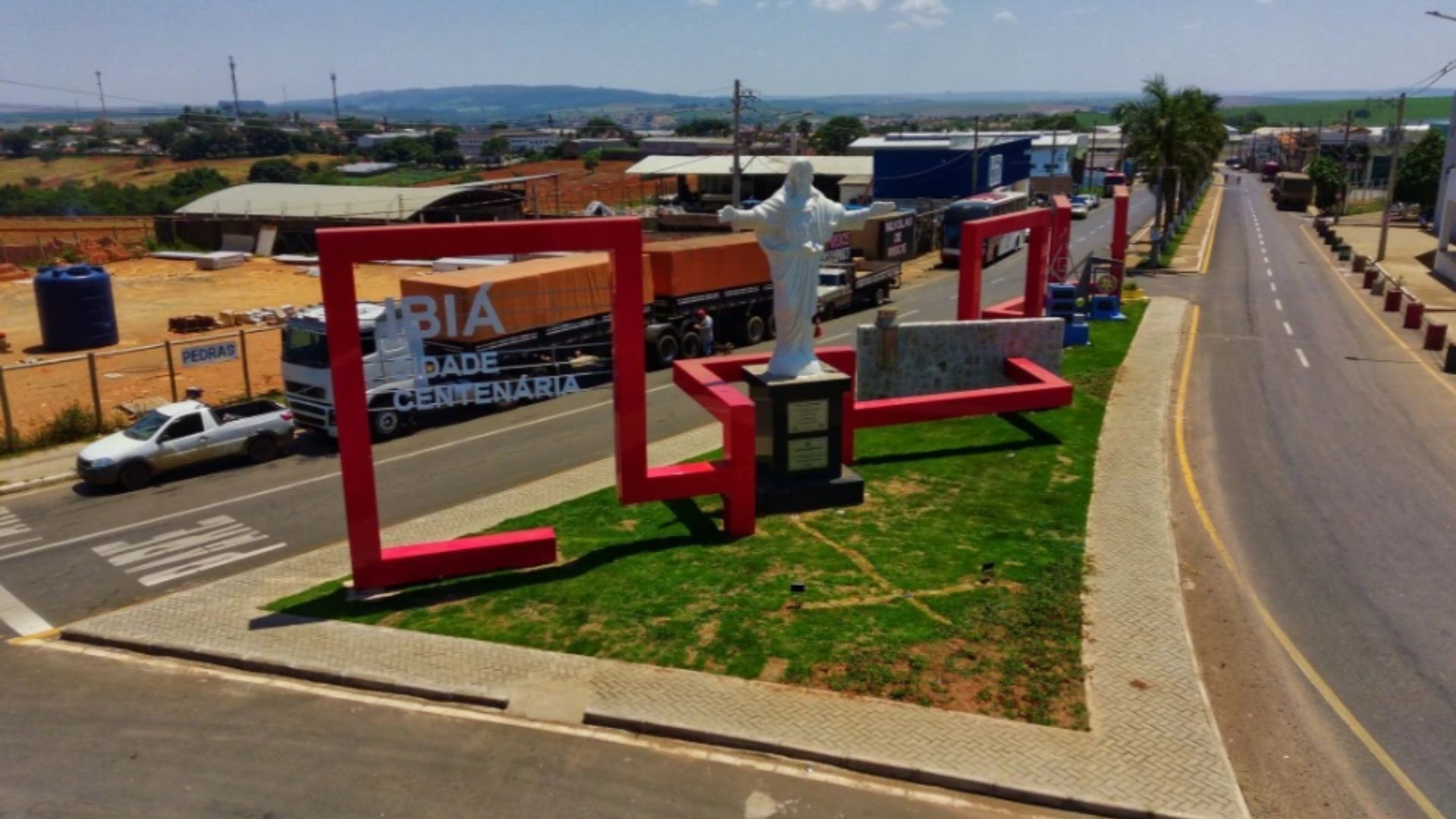
The Ibiá City Hall in Minas Gerais, Brazil, has announced a public service examination offering 17 immediate vacancies for positions requiring mid-level and higher education. Salaries for these roles range from R$2,615.09 to R$5,261.53, with the highest remuneration reserved for the lawyer position. The objective exam is scheduled for November 1, 2026, beginning at 9:15 AM, with gates closing at 9:00 AM. Candidates will have three hours to complete the assessment. In addition to the objective test for all positions, a title evaluation will be conducted for higher education roles. The available positions include Administration Technician I (8 vacancies), Social Worker (6), Psychologist (2), and Lawyer (1), with a reserve pool also being formed. Of the total vacancies, 12 are for general competition, two for individuals with disabilities (PcD), and three for Black candidates. Applications must be submitted exclusively through the organizing body's website, the Brazilian Institute of Management and Research (IBGP), between August 19 and September 18, 2026, until 4:00 PM. The application fee is R$80 for mid-level positions and R$100 for higher education roles, with payment due by September 21, 2026.
This public service examination by the Ibiá City Hall represents a standard governmental recruitment process aimed at filling essential public service roles. The structured salary bands and defined application process reflect established administrative procedures. From a systems perspective, such examinations are designed to ensure merit-based selection and provide equitable opportunities, while also addressing specific municipal needs. The allocation of vacancies across different demographic groups (general, disabled, Black candidates) aligns with broader social equity objectives. Looking ahead, the efficiency and transparency of these recruitment cycles will continue to be critical factors in maintaining public trust and ensuring effective governance, particularly as technological advancements may offer new avenues for application and assessment in the future.
AI-generated to prompt reflection — not editorial opinion, not advice, not a statement of fact. How this works.