IBM's 1996 Vision for Home Automation
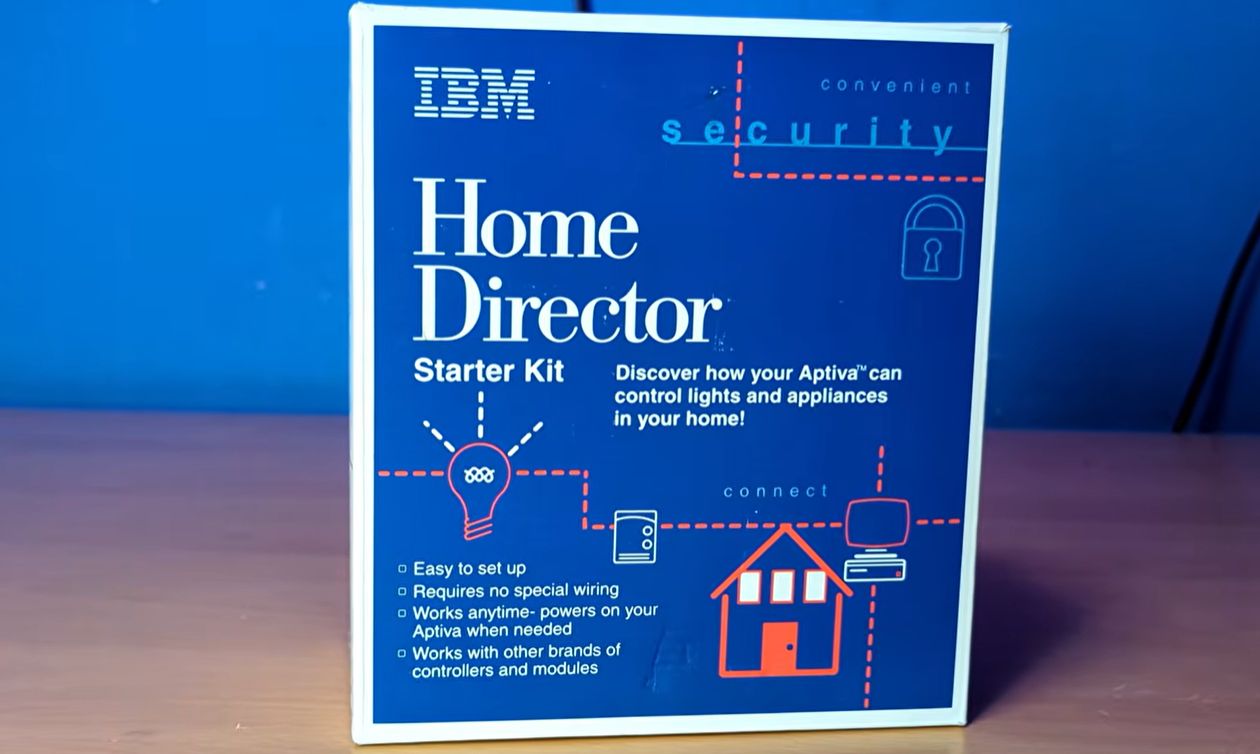
In 1996, IBM explored the concept of home automation, envisioning a future where personal computers would play a central role in managing household functions. The company, which had a significant presence in the PC market with its Aptiva series, saw its computers as the hub for an integrated home environment. This vision included controlling lighting, temperature, and security systems directly from the PC. IBM's research and development at the time aimed to demonstrate how technology could enhance convenience and efficiency within the home. The Aptiva PCs were positioned not just as computing devices but as gateways to a more connected domestic life. This initiative reflected a broader trend in the tech industry to expand the utility of personal computers beyond traditional office and entertainment applications. IBM's foray into home automation foreshadowed the smart home technologies that are prevalent today. The company's forward-thinking approach highlighted the potential for seamless integration between computing power and everyday living spaces. This early exploration by IBM showcased a commitment to innovation in consumer technology.
IBM's 1996 exploration into home automation, driven by its PC division, illustrates the early-stage conceptualization of integrated smart home systems. The company's strategic focus on leveraging its Aptiva PCs as central control units reflects a period when the personal computer was viewed as the primary interface for all digital interactions. This approach, while prescient in its ambition, highlights a potential disconnect with future user interface paradigms that would favor more specialized, accessible devices. The initiative underscores the challenge for established technology firms to anticipate evolving consumer behaviors and technological pathways, moving beyond existing product strengths to embrace emergent ecosystems. The long-term success of such ventures often hinges on anticipating not just technological feasibility but also market adoption drivers and user experience design.
AI-generated to prompt reflection — not editorial opinion, not advice, not a statement of fact. How this works.