ICC Drops Case Against Darfur Militia Leader Abdallah Banda
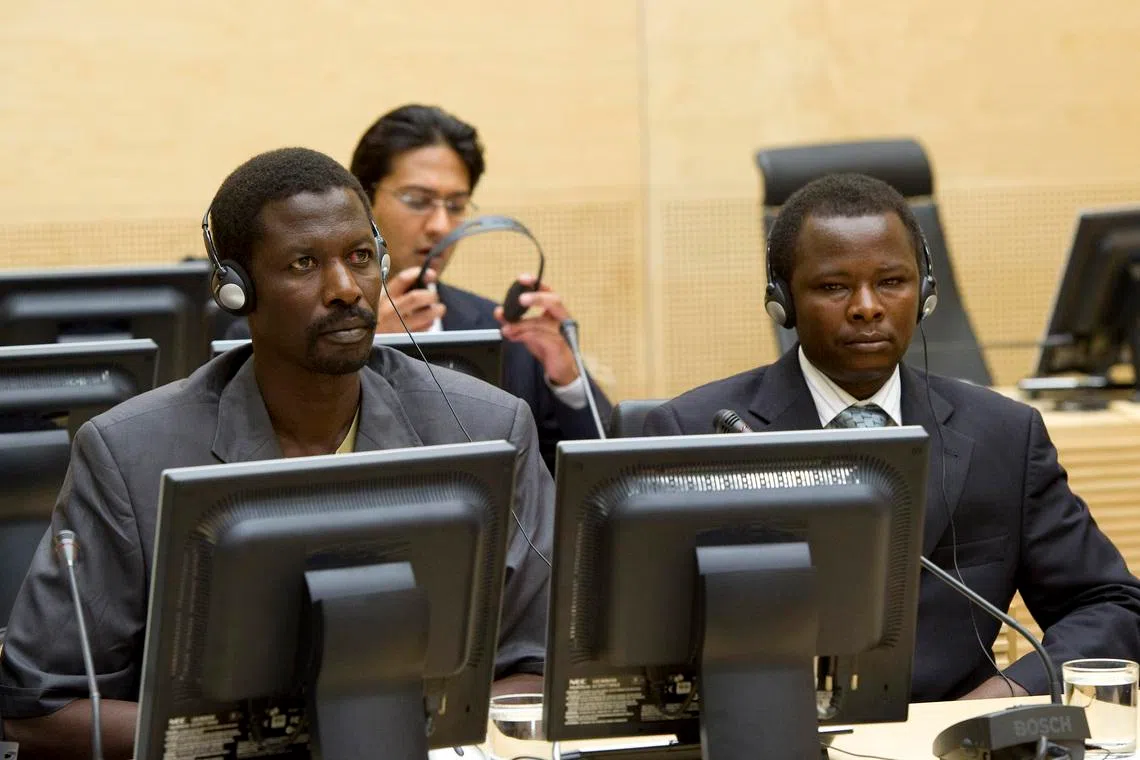
Judges at the International Criminal Court (ICC) have terminated proceedings against Abdallah Banda Abakaer Nourain, the former leader of an armed group in Darfur. The decision was made on Thursday, July 23, after prosecutors withdrew the charges against him. Banda had been accused of war crimes related to the conflict in Darfur. The ICC's action signifies a significant development in a case that has spanned several years. The withdrawal of charges suggests a shift in the prosecution's strategy or available evidence. This termination means Banda will no longer face trial at the ICC for the alleged crimes. The Darfur conflict has been a protracted and complex issue, with numerous actors involved. The ICC's role in seeking accountability for atrocities in the region has been closely watched. This case's conclusion raises questions about the future of international justice mechanisms in addressing such conflicts. The specific reasons for the prosecution's withdrawal of charges have not been detailed in this report.
The termination of proceedings against Abdallah Banda Abakaer Nourain by the International Criminal Court, following the prosecution's withdrawal of charges, highlights the complex challenges inherent in international criminal justice. Factors such as evidence availability, witness cooperation, and prosecutorial discretion significantly influence case outcomes. This development underscores the need for robust investigative frameworks and sustained international cooperation to ensure accountability for alleged atrocities. Moving forward, the ICC and its partners must continually assess and adapt their strategies to navigate the geopolitical and logistical hurdles that can impede the pursuit of justice, particularly in protracted conflicts like the one in Darfur. The focus remains on strengthening mechanisms that can effectively deter future violations and provide redress for victims, while respecting due legal process for all accused.
AI-generated to prompt reflection — not editorial opinion, not advice, not a statement of fact. How this works.