ICC Investigation of US Personnel Sparks Political Backlash
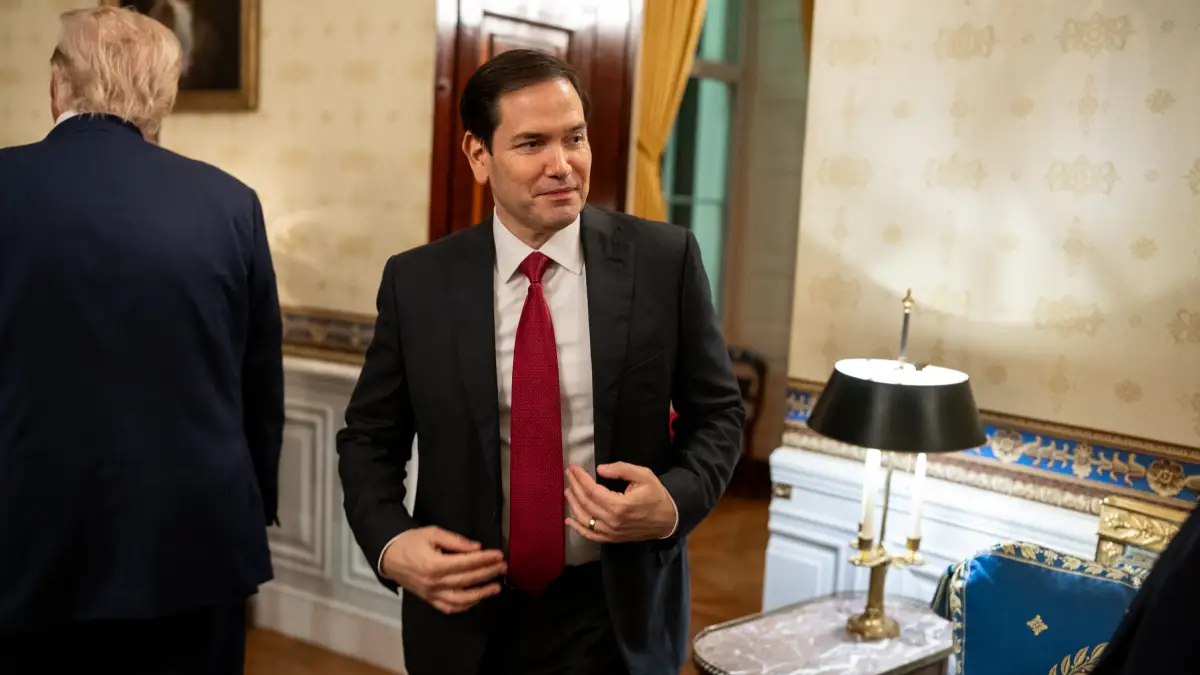
The International Criminal Court (ICC) has been investigating American military and intelligence personnel for several years in a case that remains open. This ongoing procedure is at the heart of a campaign initiated on July 13 by Secretary of State Marco Rubio. Rubio has accused the The Hague-based court of intending to prosecute American staff solely due to their nationality.
Rubio's initiative aims to rally support against the ICC's actions, framing it as an attack on U.S. service members operating abroad. The investigation, which has been ongoing for years without resolution, has become a focal point for political opposition to the court's jurisdiction over U.S. citizens. The campaign seeks to highlight concerns about the ICC's mandate and its potential implications for American foreign policy and national security interests.
The International Criminal Court's prolonged investigation into U.S. military and intelligence personnel presents a complex geopolitical challenge. Secretary of State Marco Rubio's public campaign highlights a recurring tension between national sovereignty and international legal frameworks. The core issue revolves around the ICC's jurisdiction and the U.S. stance, which generally does not recognize the court's authority over its citizens, particularly when engaged in military operations. This situation underscores the evolving dynamics of global governance, where national interests often clash with the aspirations of international institutions. Future developments may involve diplomatic negotiations, legislative actions by the U.S., or shifts in the ICC's prosecutorial priorities, reflecting the ongoing debate about accountability for actions taken in international contexts.
AI-generated to prompt reflection — not editorial opinion, not advice, not a statement of fact. How this works.