ICC Member States Vote to Remove Prosecutor Karim Khan Amid Misconduct Allegations
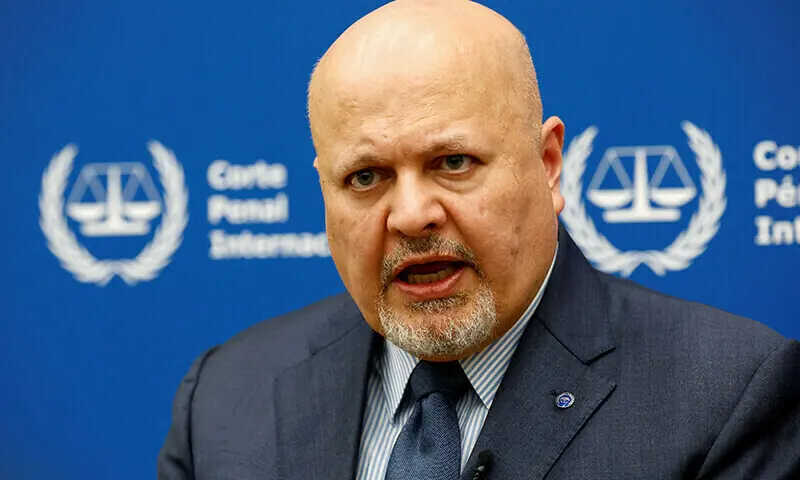
Member states of the International Criminal Court (ICC) have voted to dismiss Prosecutor Karim Khan, with 82 out of 125 nations supporting his removal. The decision follows allegations of an inappropriate sexual relationship between Khan, 56, and a junior ICC lawyer. Khan denies all wrongdoing, and his legal representative has stated he will challenge the dismissal through all available legal mechanisms. This vote occurred at the United Nations in New York on Friday, largely aligning with a decision made by the court's oversight body last month. The dismissal comes amidst a renewed diplomatic campaign by the United States to dismantle the ICC, which the US views as a threat to its sovereignty. US Secretary of State Marco Rubio has previously criticized the court, calling some individuals involved "lunatics and crazies." The US, not an ICC member, has previously imposed sanctions on ICC judges and prosecutors, including Khan, in response to actions concerning Israeli officials and investigations into US troops in Afghanistan. The accuser recently spoke publicly, reiterating her allegations of a non-consensual sexual relationship. Khan's dismissal initiates the process for electing a new prosecutor, with a replacement not expected before next year. Importantly, any existing ICC warrants will remain in effect, as only ICC judges have the authority to withdraw them.
The International Criminal Court's decision to dismiss Prosecutor Karim Khan, driven by allegations of sexual misconduct and supported by a significant majority of member states, highlights the complex interplay between institutional governance, personal conduct, and geopolitical pressures. The vote underscores the accountability mechanisms within the ICC, while Khan's intent to challenge the decision points to potential legal disputes regarding due process. Concurrently, the US's stated intention to dismantle the ICC, coupled with its existing sanctions, illustrates a broader divergence in perspectives on international justice and national sovereignty. This event may influence future diplomatic relations and the ICC's operational capacity, particularly as the court navigates internal accountability and external political challenges. The situation prompts consideration of how international bodies balance the need for stringent ethical standards among their leadership with the imperative of maintaining broad international cooperation and legitimacy in an evolving global landscape.
AI-generated to prompt reflection — not editorial opinion, not advice, not a statement of fact. How this works.