ICC Overhauls ODI World Cup Format, Introducing New Stages
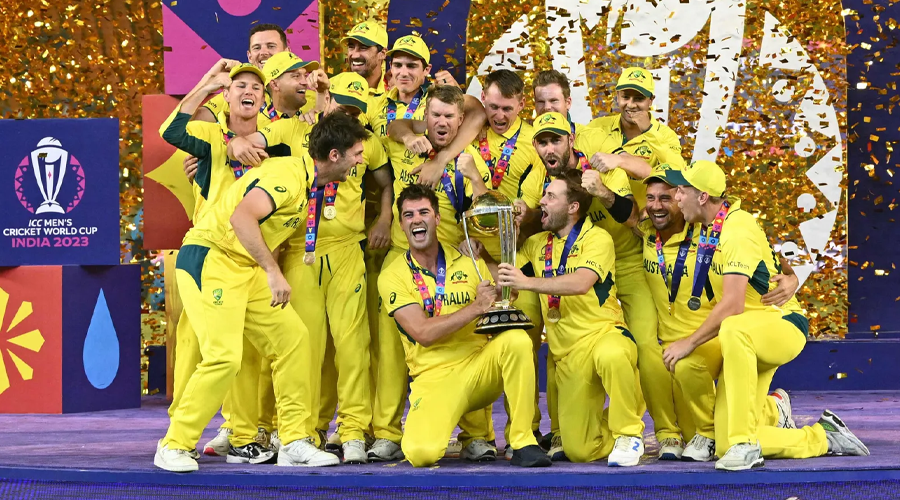
The International Cricket Council (ICC) has significantly altered the structure of the One Day International (ODI) World Cup. While the participation of 14 teams remains unchanged, the tournament will now proceed in three distinct phases. Under the new format, the 12th, 13th, and 14th ranked teams among the 14 qualified will first compete in a 'Super Series'. Following this, a round-robin stage will take place. The exact details of the subsequent stages and how the final winner will be determined are expected to be elaborated by the ICC. This change aims to potentially increase the competitive balance and engagement throughout the tournament, offering a more extended qualification pathway for some teams. The ICC's decision reflects an effort to evolve the World Cup format to meet contemporary sporting standards and fan expectations. Further announcements regarding the specific rules and scheduling are anticipated.
The ICC's restructuring of the ODI World Cup format introduces a multi-stage competition, potentially enhancing engagement and competitive dynamics. By incorporating a 'Super Series' for lower-ranked qualifiers, the ICC may be seeking to mitigate early-stage predictability and provide a more extended competitive arc. This approach could influence team preparation and strategic planning, as well as broadcast rights value. Future iterations will reveal whether this new structure effectively balances inclusivity with the prestige of the main tournament, and how it impacts the global development of cricket beyond established teams.
AI-generated to prompt reflection — not editorial opinion, not advice, not a statement of fact. How this works.