ICC Prosecutor Succession Race Stalls Amid US Pressure
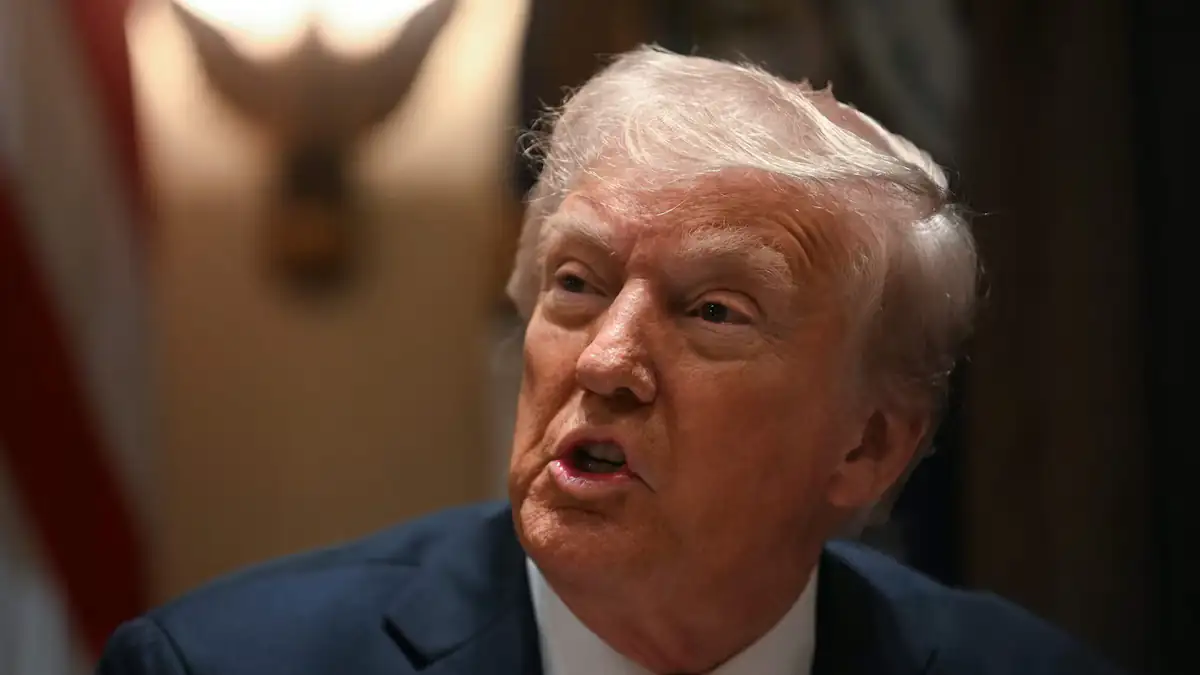
The International Criminal Court (ICC) is struggling to find a successor for Karim Khan, whose term as Prosecutor is nearing its end. The selection process, initiated a year ago with Khan's anticipated departure on July 24, has been hampered by the reluctance of potential candidates to face potential U.S. sanctions. This pressure stems from the United States' opposition to the ICC's investigations, particularly concerning alleged war crimes in Afghanistan and Palestine. The lack of a clear consensus among the State Parties to the Rome Statute highlights the significant diplomatic challenges involved in appointing a new Prosecutor. The U.S. has previously imposed sanctions on ICC officials, creating a deterrent effect on qualified individuals. This situation underscores the delicate balance between international justice mechanisms and the political interests of powerful states. The quiet nature of the current selection campaign reflects the sensitivity and difficulty of the task ahead.
The current impasse in selecting a new ICC Prosecutor reveals a fundamental tension between the Court's mandate for international justice and the geopolitical leverage wielded by powerful states like the United States. The U.S.'s punitive stance, exemplified by the threat of sanctions, creates a chilling effect on potential candidates, prioritizing national interests over international legal accountability. This dynamic raises questions about the ICC's operational independence and its ability to function effectively when faced with opposition from permanent members of the UN Security Council. Looking ahead, the ICC may need to explore innovative governance models or secure stronger commitments from its member states to insulate its prosecutorial functions from such political pressures, ensuring that justice is pursued impartially, irrespective of national affiliations or potential repercussions.
AI-generated to prompt reflection — not editorial opinion, not advice, not a statement of fact. How this works.