ICC Relies on States for Enforcement, Faces Compliance Challenges
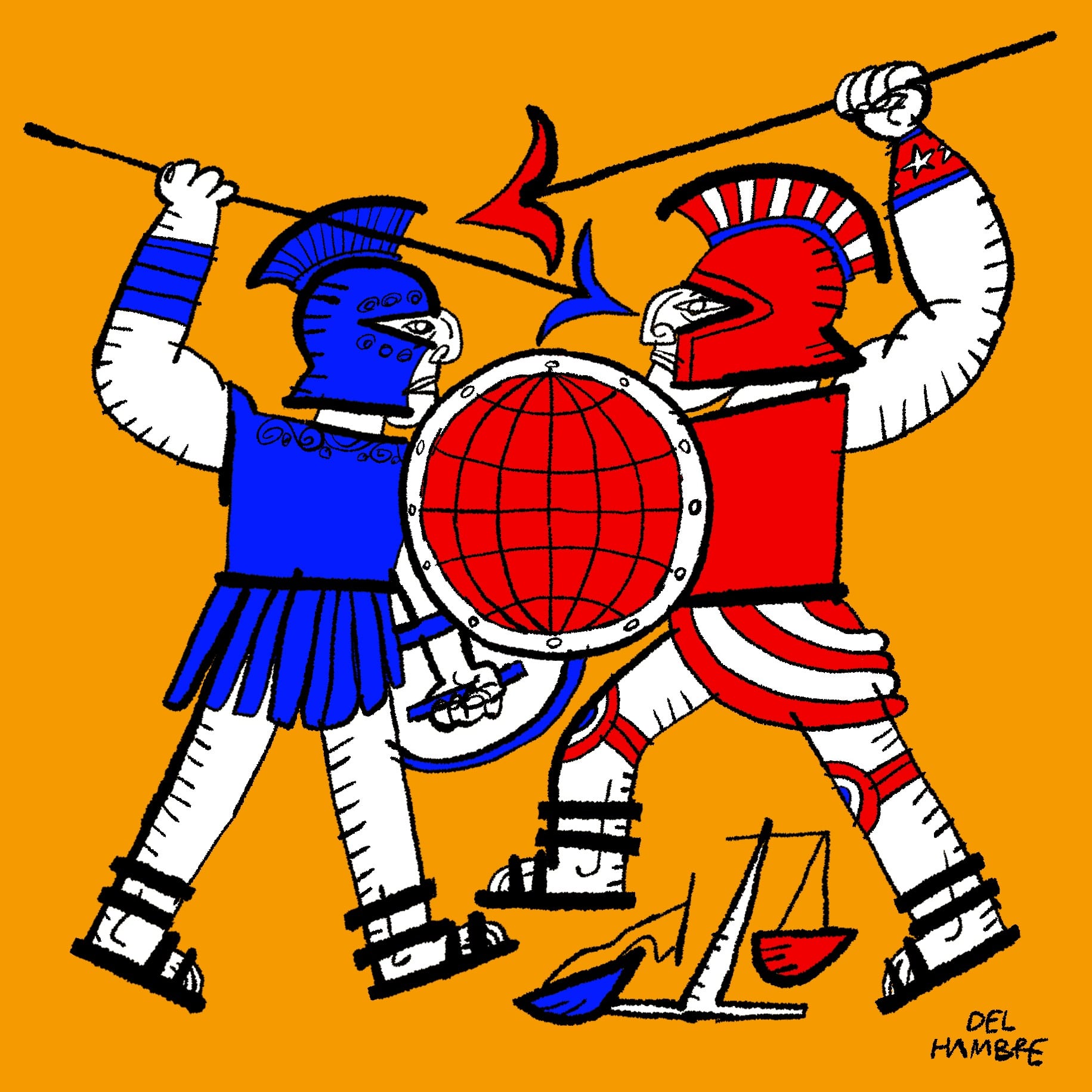
The International Criminal Court (ICC), lacking its own enforcement arm, is dependent on member states to execute its judgments and arrest warrants. However, these states often prioritize other alliances or political considerations over fulfilling their obligations to the court. This reliance on national governments for enforcement creates significant hurdles for the ICC in ensuring accountability for international crimes. The court's effectiveness is thus intrinsically linked to the political will and cooperation of its member states. When states choose to excuse non-compliance, particularly concerning allies, it undermines the court's authority and its mission to end impunity. This dynamic highlights a fundamental tension between national sovereignty and international justice mechanisms. The ICC's ability to function as intended is continually tested by these enforcement gaps. Ultimately, the court's success hinges on a consistent commitment from its member states to uphold the principles of international law it represents.
The International Criminal Court's operational model, which delegates enforcement to sovereign states, presents a structural vulnerability. This dependency creates an inherent conflict where national interests, particularly those involving geopolitical alliances, can supersede international legal obligations. The court's effectiveness is therefore contingent on a complex web of state cooperation, which is susceptible to political expediency. Looking ahead, the ICC's ability to achieve its mandate of accountability will likely depend on evolving international norms regarding state responsibility for atrocity crimes and potentially exploring novel enforcement mechanisms that reduce reliance on individual state discretion. This dynamic underscores the ongoing challenge of balancing national sovereignty with the pursuit of global justice in an interconnected world.
AI-generated to prompt reflection — not editorial opinion, not advice, not a statement of fact. How this works.