ICC to Prosecute Libyan Prison Commander for Crimes Against Humanity
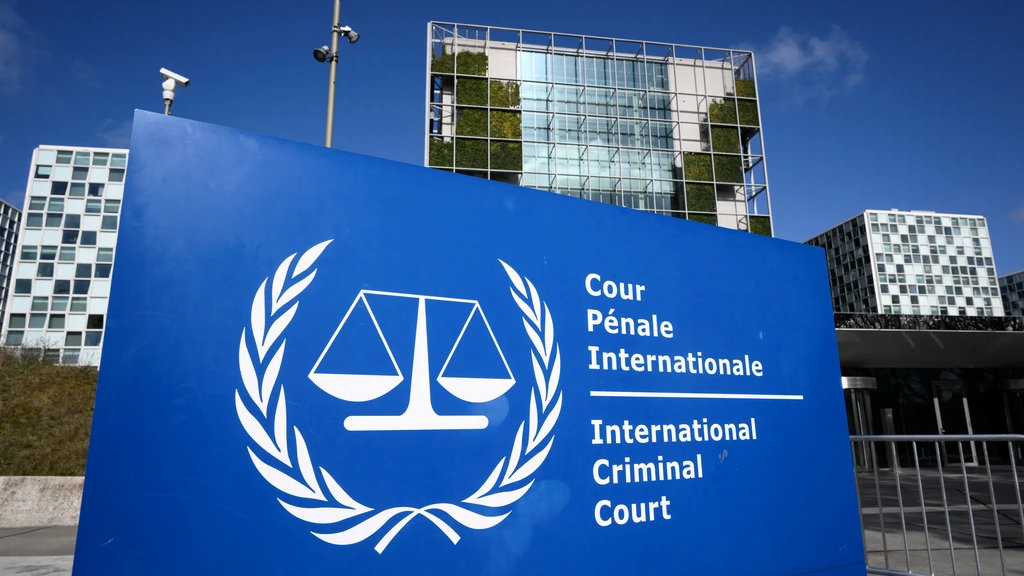
The International Criminal Court (ICC) in The Hague has announced it will prosecute Khaled Mohamed Ali El Hishri, a Libyan militia leader and prison commander, for alleged war crimes and crimes against humanity. El Hishri held a senior position within the Rada militia and was a leader at the notorious Mitiga prison in Tripoli, where both Libyans and migrants were detained. He was apprehended in Germany last year. The ICC has formally charged him with offenses including torture, rape, murder, attempted murder, and slavery, with crimes allegedly occurring between 2014 and 2020. During this period, the Mitiga prison was under the control of the Rada militia. El Hishri reportedly oversaw the section where women and children were held, and prosecutors claim sexual violence was rampant, with El Hishri known for his cruelty as the 'angel of death'. The ICC states it possesses sufficient evidence to prosecute him for both personally committed acts and for ordering crimes. His lawyer's challenge to the ICC's jurisdiction was rejected by the judges. Prosecutors stated this decision brings them closer to justice for thousands of victims who suffered unjustly at Mitiga prison. The ICC has been investigating crimes in Libya since 2011, following the overthrow and death of dictator Muammar Gaddafi, which led to a fragmented political landscape. The Rada militia appears to cooperate with one of the rival governments. While the ICC issued arrest warrants for eight Libyans last year, El Hishri is reportedly the first to be prosecuted as a result of this investigation.
The ICC's decision to prosecute Khaled Mohamed Ali El Hishri highlights the ongoing challenges in establishing accountability for severe human rights violations in post-conflict environments. The prosecution of individuals linked to state or quasi-state institutions, such as the Rada militia and Mitiga prison, underscores the systemic nature of abuses that can persist even after the fall of a regime. This action may incentivize other actors within Libya's complex governance structures to adhere to international legal norms, recognizing that impunity is not guaranteed. However, the protracted timeline of investigations and prosecutions, spanning over a decade since the initial conflict, indicates the significant logistical and political hurdles in achieving comprehensive justice. Future efforts will likely depend on sustained international cooperation and the evolving political stability within Libya, as well as the capacity of domestic institutions to uphold the rule of law.
AI-generated to prompt reflection — not editorial opinion, not advice, not a statement of fact. How this works.