Ice Age hunters were selective when hunting mammoths
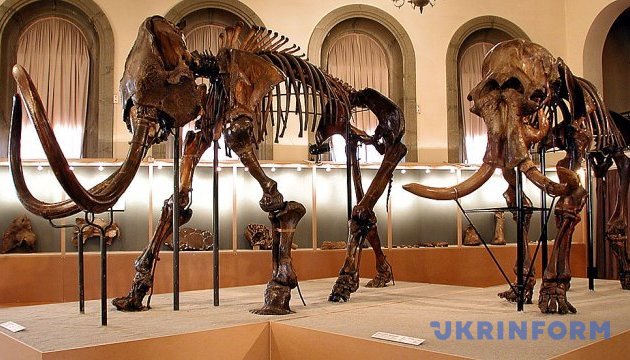
Hunters during the Ice Age were highly selective about the mammoths they hunted for survival. This suggests a sophisticated understanding of their prey and resource management.
The findings indicate that these ancient peoples did not simply hunt any mammoth they encountered. Instead, they likely targeted specific individuals or types of mammoths, possibly based on factors like age, health, or herd dynamics. This careful approach would have been crucial for ensuring the long-term sustainability of their food source and for maximizing the efficiency of their hunts. The ability to make such distinctions demonstrates a level of behavioral complexity and ecological knowledge that is often underestimated in early human societies.
The behavior of Ice Age mammoth hunters, as described, highlights a sophisticated understanding of resource management and ecological interdependence. This selectivity suggests that survival was not merely a matter of brute force but involved strategic planning and a deep knowledge of animal behavior and population dynamics. In the context of the modern era, this historical example can prompt reflection on sustainable resource utilization and the long-term consequences of overexploitation. It underscores the importance of understanding complex systems, whether ecological or economic, to ensure their resilience and longevity, rather than engaging in short-term, indiscriminate consumption.
AI-generated to prompt reflection — not editorial opinion, not advice, not a statement of fact. How this works.