ICE Agent Accused of Past Violence; Shot Migrant in Maine
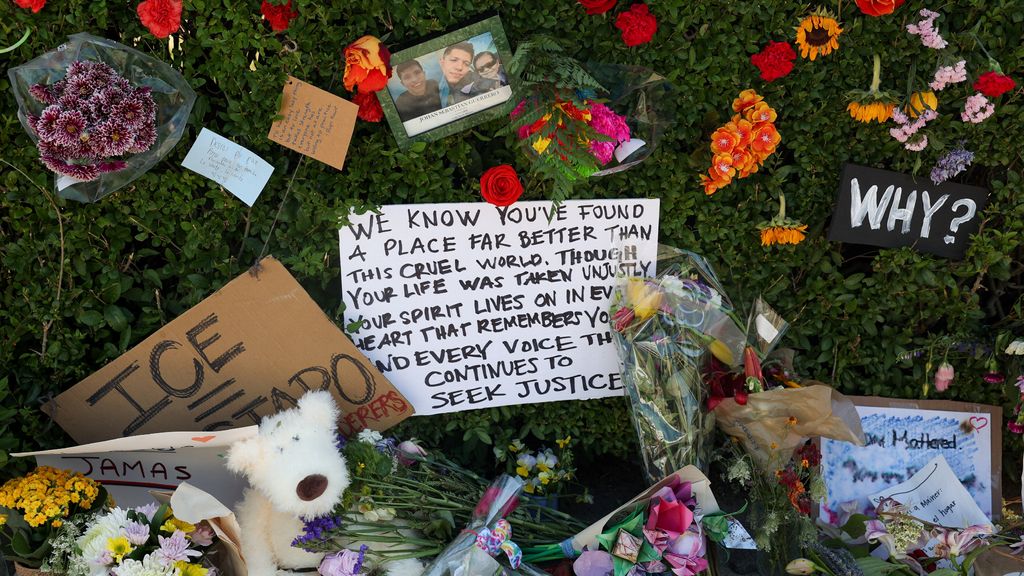
An U.S. Immigration and Customs Enforcement (ICE) agent, identified as 37-year-old former military member David Brouillette, fatally shot a 25-year-old Colombian migrant, Johan Sebastian Duran Guerrero, during a traffic stop in Biddeford, Maine. According to interviews with relatives, ex-wives, and court documents cited by the Associated Press, Brouillette has a history of violent behavior and significant mental health issues, including a bipolar disorder diagnosis. One ex-wife accused him of physical abuse during their marriage, and another sought protective orders multiple times due to allegations of threats and violence. Despite these issues, Brouillette was reportedly admitted to the military and subsequently hired by ICE. ICE stated that Duran Guerrero attempted to drive away, prompting the agent to fire his weapon out of concern for bystander safety. The agency has not confirmed Brouillette's identity but noted the agent involved has nearly a decade of federal law enforcement experience and completed required training. The incident has sparked protests against ICE's tactics, leading the agency to temporarily suspend most traffic stops. President Trump has urged the resumption of these stops, which are integral to his stricter immigration policies. Since the start of Trump's second term, 19 people have been involved in ICE-related shootings, resulting in eight deaths, according to The Trace.
This incident highlights critical questions regarding the vetting and psychological screening processes for law enforcement personnel, particularly within agencies tasked with enforcing immigration policy. The allegations against agent David Brouillette, if substantiated, suggest potential systemic failures in identifying individuals with a history of violence or severe mental health conditions before they are entrusted with lethal authority. The juxtaposition of Brouillette's alleged past with his role in a fatal shooting raises concerns about the effectiveness of current hiring and oversight mechanisms. It also underscores the tension between the operational demands of immigration enforcement, as emphasized by President Trump's policies, and the imperative to ensure public safety and due process. The subsequent suspension and calls for the resumption of traffic stops reveal the complex interplay of political directives, public reaction, and operational considerations within federal agencies. Future policy may need to balance enforcement objectives with more robust mental health evaluations and continuous monitoring of personnel to mitigate risks and prevent similar tragedies.
AI-generated to prompt reflection — not editorial opinion, not advice, not a statement of fact. How this works.